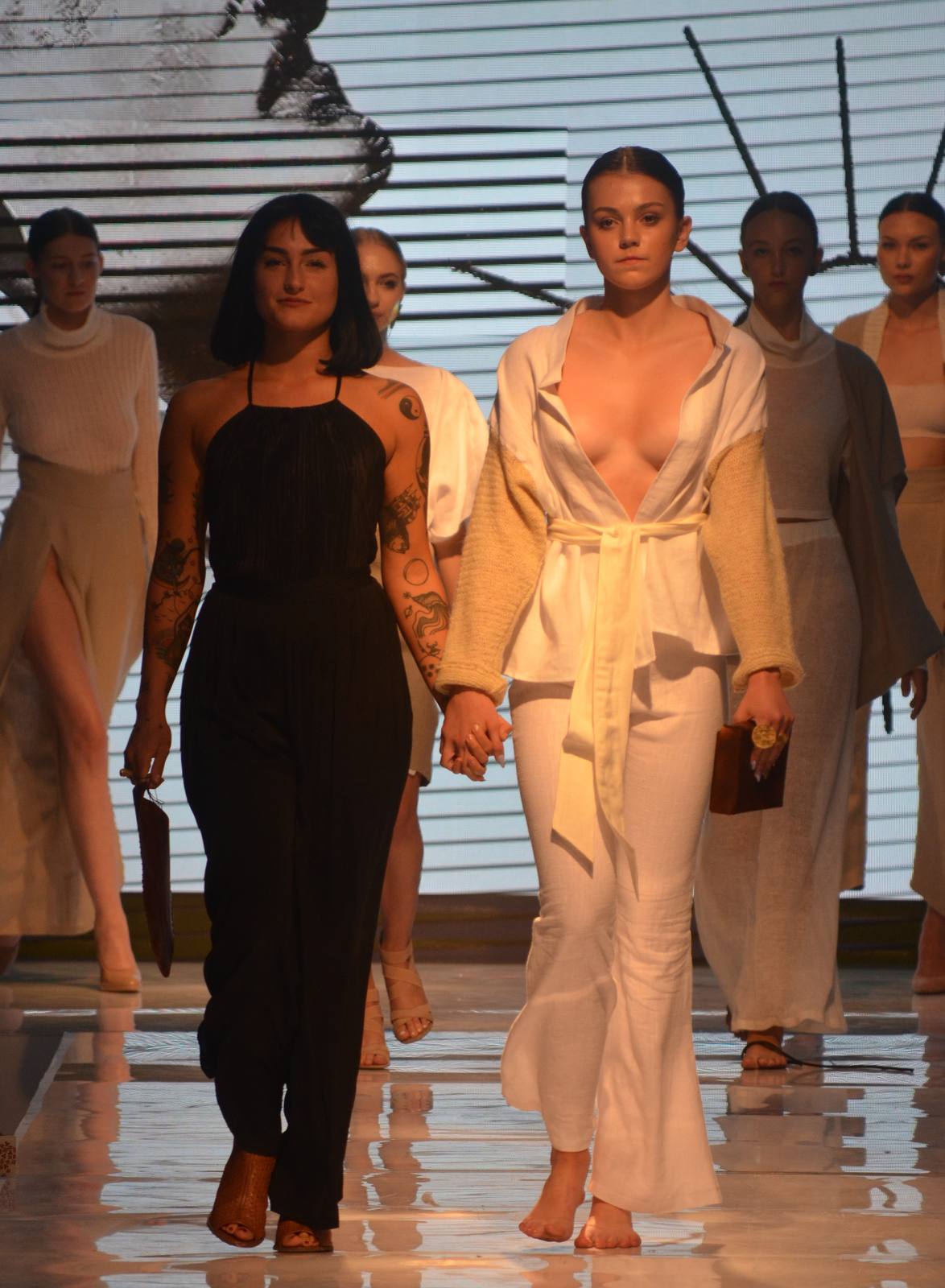
Position is everything and it is assigned, not chosen. The pit sits at the end of the runway where the models turn, the moment of maximum drama and maximum difficulty: the walk is coming straight at the lens, the light is changing, and the window for the shot is a few strides. Veterans know which floor mark gives the cleanest background and which angle the houses prefer. The rookies learn by missing.
Timing is the craft's second discipline. A look passes in seconds, and the photographer must decide in advance which frame matters: the full silhouette at the turn, the detail of the embroidery mid-stride, the face as the model holds the camera's gaze. There is no second take and no repositioning. The fifteen minutes of the show are fifteen minutes of continuous decision.

The equipment is specialized and the technique is its own education. Long lenses compress the runway's depth; high shutter speeds freeze the walk; the exposure must hold from the first look's dark wool to the finale's pale silk. The pit photographer is part technician, part gambler, betting settings against a lighting design they saw for the first time that morning.
What the pit produces is the season's visual record, and increasingly its commercial afterlife. The runway photographs travel further than the show itself: into reviews, into buying meetings, into the archive the house will reference for decades. A great pit image can define how a collection is remembered. The photographers know this, which is why the trench operates with the intensity of a newsroom on deadline.
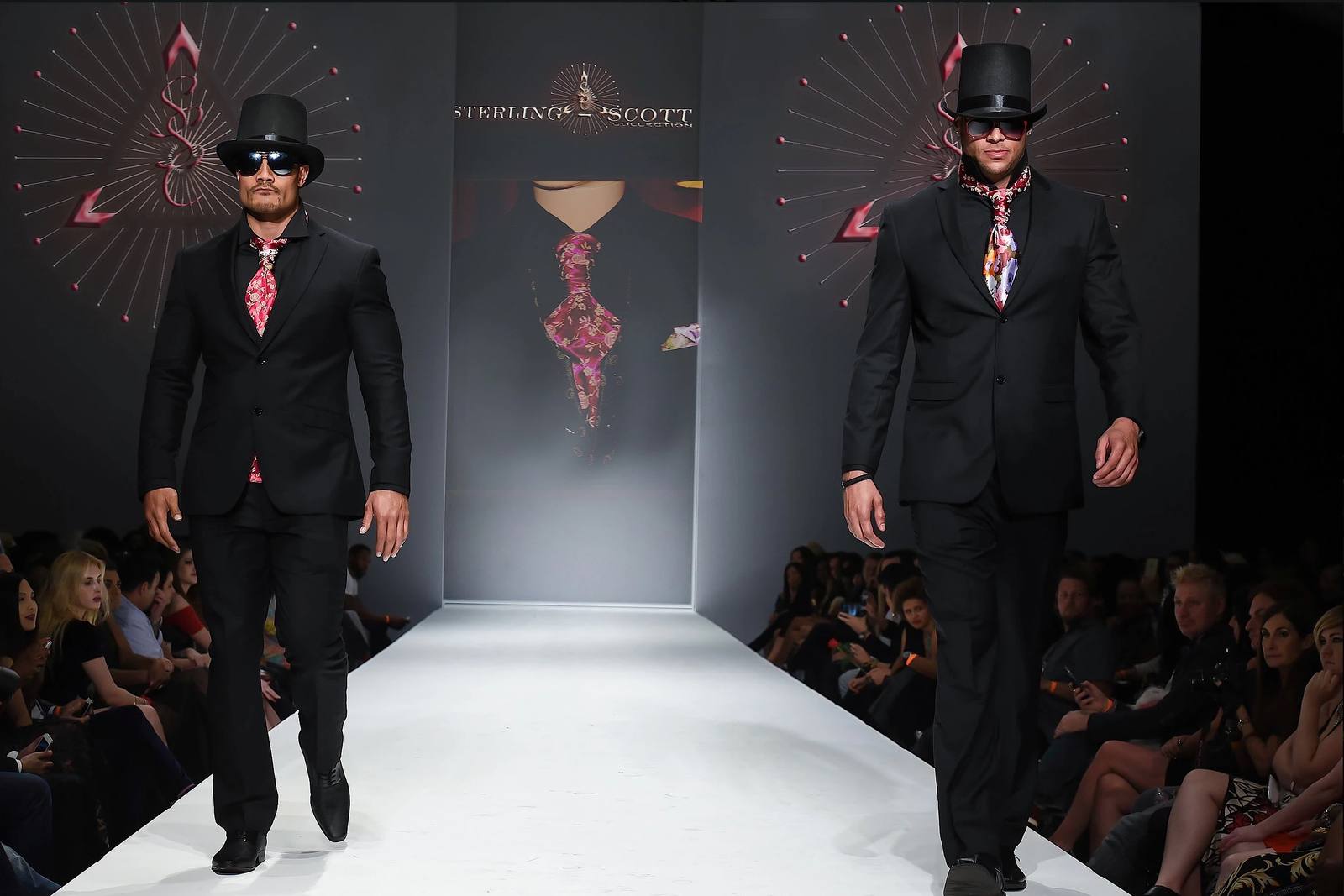
The pit has its own hierarchy, and it is enforced by elbows. The wire services and the major titles hold the center marks; the freelancers and the fan press work the edges. It is a meritocracy of filing speed and image quality, and the pecking order is renegotiated every season. Nobody is assigned the perfect mark forever. The pit, like the runway, rewards the season's form.
The relationship with the houses is cordial and transactional. The photographers need access; the houses need the images. The front-of-house team manages the risers, the sightlines, the moments when a guest's head blocks the money shot. It is a negotiation conducted in gestures and nods across fifteen minutes of controlled chaos, and both sides know the choreography.
The filing race is the pit's second show. Cards pulled, selects made on the camera's small screen, images transmitted before the designer's bow has finished. The first pictures of the collection to reach the world come from the trench, not the front row, and the speed of the file is part of the job. The season's memory is made twice: once in the shooting, once in the sending.
When the finale passes and the designer takes the bow, the pit empties in seconds, cameras down, cards pulled, the race to file already on. The audience files out discussing what they saw. The photographers file out carrying it. Below the front row, in the least glamorous seats in the room, the season's memory is made.