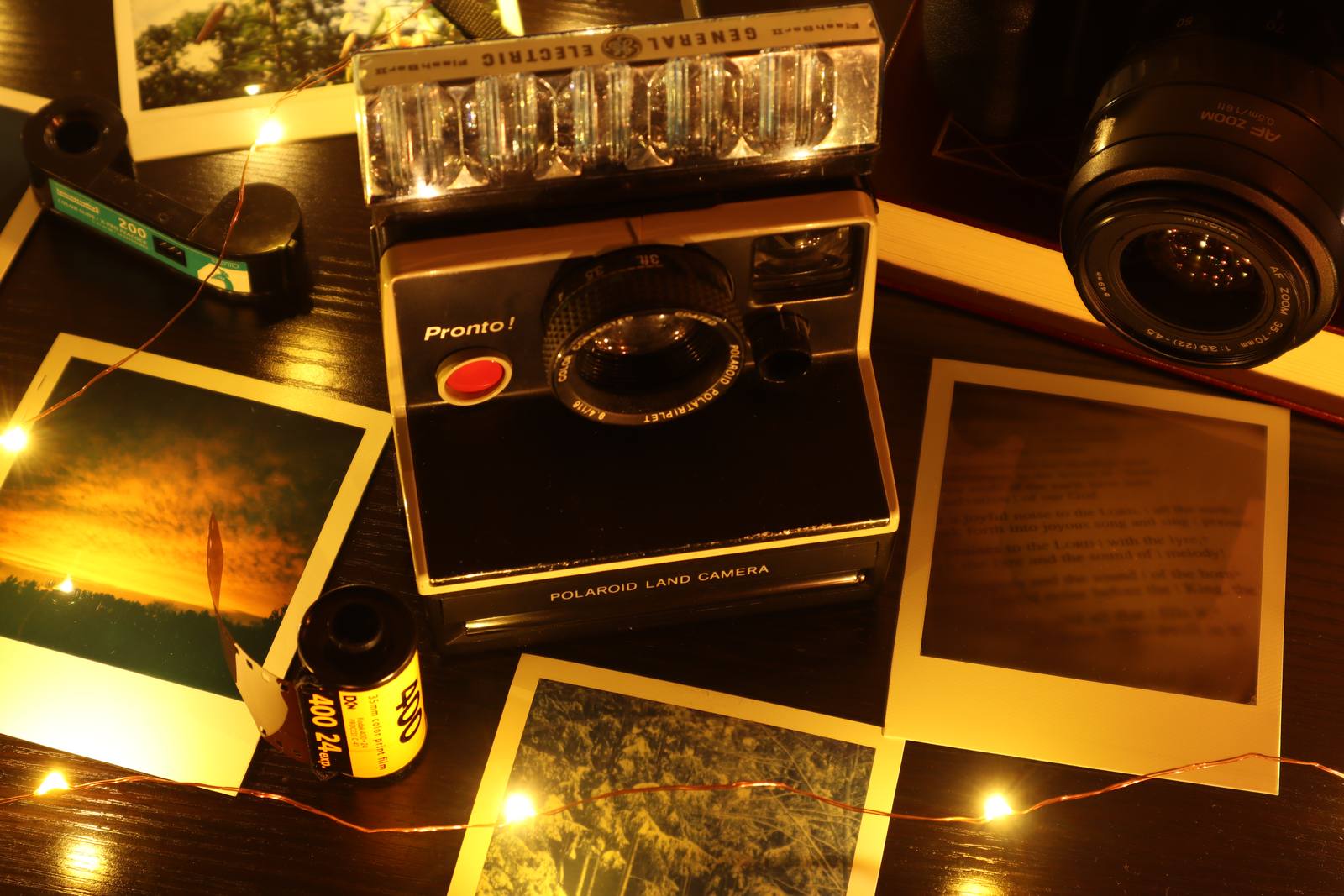
The digitals are the foundation: plain, unretouched photographs, the modern polaroid, shot against a blank wall in natural light. No styling, no makeup to speak of, no art direction. Their honesty is the point. A designer deciding a cast needs to see the raw material, not the campaign, and the digital is the industry's agreed-upon truth: this is the face, the body, the hair, as they are on an ordinary morning.
The comp card is the summary: the best images on one sheet, with the measurements printed alongside. Height, bust, waist, hips, shoe size, hair and eye color, the data the atelier needs before a fitting is ever scheduled. It is a resume and a spec sheet in one, designed to be pinned to a board and compared at a glance. The card that cannot be read in five seconds has failed.

The package as a whole is a signal, not just a submission. Which models an agency leads with tells the houses where the agency's confidence lies. A new face placed at the front of the book is a statement of investment. The order of the pages, the choice of images, the timing of the send: all of it is read by casting directors who have seen ten thousand packages and can parse intent from layout.
The industry's database and ranking system sits alongside the package as the trade's shared reference: the season's bookings, the campaign counts, the movement of faces between agencies, all tracked and ranked. The package makes the case; the database keeps the score. Together they form the information infrastructure on which the season's casting decisions rest.
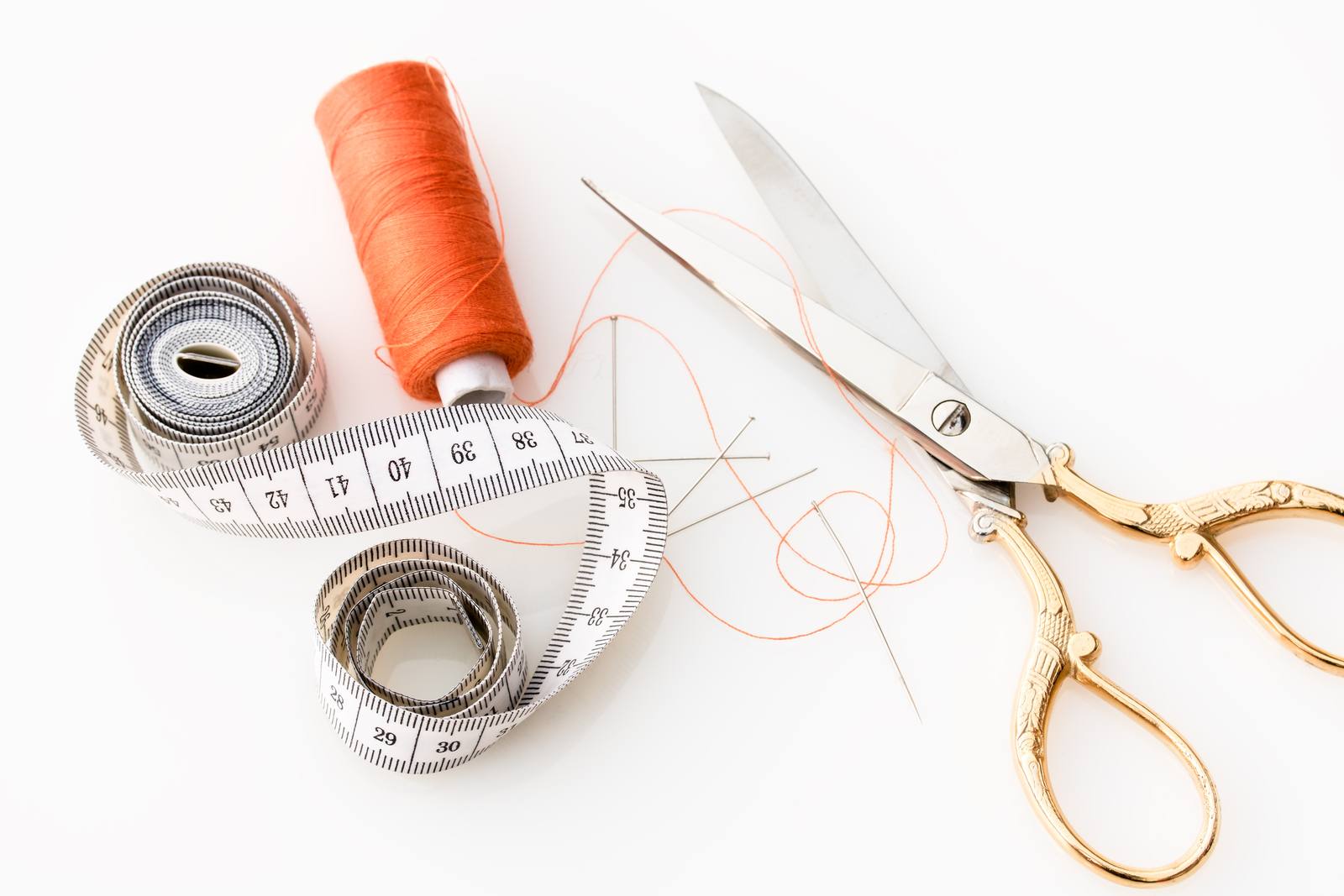
The measurements page is the document's quiet engine. The atelier cannot schedule a fitting without the numbers, and the numbers must be current: a small drift over the summer changes how the toile sits. Agencies update the stats each season, and the casting directors read them the way engineers read tolerances. The body is data before it is a face.
Timing the send is strategy. The first packages of the season arrive early and get the long look; the late ones fight for attention in the flood. Agencies stagger their submissions, lead with their strongest cards, and hold back the new faces for the moment when the caster is still deciding. The package is not just information. It is a campaign, run on paper, against a deadline.
The digital age changed the delivery and almost nothing else. The polaroid became the digital file, the courier became the upload, but the grammar of the package is untouched: the honest image, the printed stats, the curated best. Technologies come and go; the booking document endures because the decision it serves has not changed. Someone still has to choose the faces, and the faces still arrive on paper first.
For all the talk of disruption, the ritual endures because it works. The digital tells the truth, the comp card summarizes it, and the package delivers both to every house that matters, on schedule, every season. Fashion runs on images, but it books on documents. The show package is the document the whole season is built on.
