
The institutions are real and established. JAG Models in New York built its name specializing in curve and diverse talent, proving that the division could be the agency rather than the annex. Muse Management operates a dedicated Curve division inside a major house, the structural acknowledgment that the market is permanent. These are not experiments. They are going concerns with rosters, bookings, and reputations.
How the division works differs from the main board in the details. Sizing runs broader, the client list leans commercial and editorial in different proportions, and the casting conversations involve fit and grading in ways the straight-size board rarely confronts. But the machinery is the same: show packages, digitals, comp cards, the season's round of castings. A market is a market; it just cuts a different pattern.
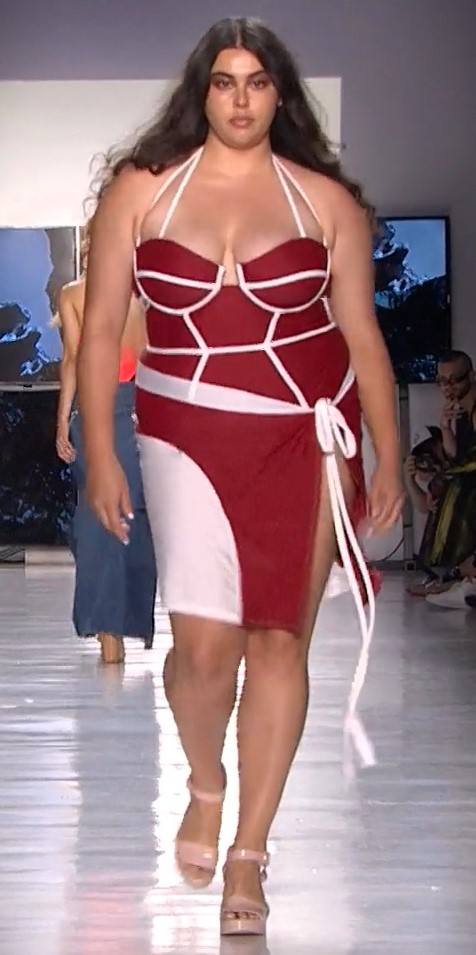
Who books it has expanded steadily. The commercial clients were first, then the editorial pages, then the runways that decided the conversation had moved. Each step was contested and each stuck, because the economics held: the audience was there, the spending was real, and the brands that moved first kept the advantage. The curve market grew the way all fashion markets grow, one booking at a time, until the bookings were too many to dismiss.
Where the ceiling still sits is the honest part of the story. The highest-prestige runways, the luxury campaigns that define a season, the covers that make a career: these remain harder ground, and the faces that break through are still exceptions that prove the rule. The division is a market, but it is not yet an equal one, and the industry knows it. The second act is underway; the third has not been written.
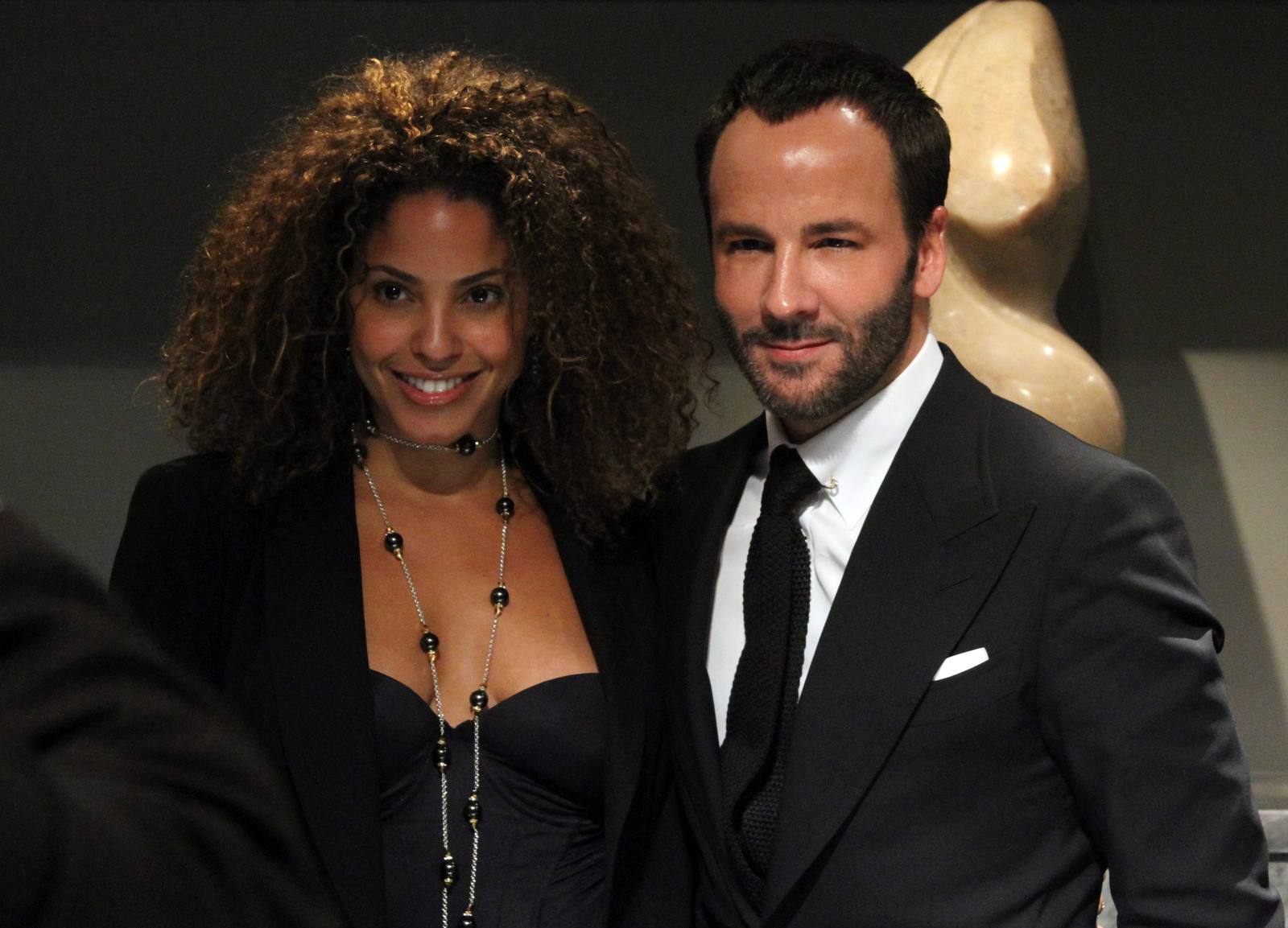
The business model of the curve division rewards the agencies that committed early. The expertise is specific: the fit knowledge, the client relationships, the understanding of a market the main board never had to learn. JAG's specialization was the proof of concept; the Curve divisions inside the major houses are the validation. First movers in any fashion market keep the advantage, and this market is no exception.
The talent pipeline has its own dynamics. Curve models often arrive with commercial experience and convert it into editorial and runway work, the reverse of the traditional path. The division values a different kind of polish: presence over novelty, professionalism over the new-face chase. It is a market that rewards the working model rather than the ingenue, and the careers show it.
The ceiling question has a commercial answer the industry is still absorbing. The brands that cast broadly keep discovering that the audience was waiting, and the spending follows the seeing. Every season the curve market posts its numbers, the argument for the old default gets thinner. The second act is a business. The third will be arithmetic.
What the curve market has already proved is the industry's oldest lesson, relearned: demand finds supply. The agencies that built the division early own the expertise now, and the houses that dismissed it are buying in late at higher prices. The side board became a market because the market was always there, waiting for someone to take it seriously. Someone did.
