What the 2012 pact did was put the industry on the record. Nineteen editions of the same magazine, across every major market, agreeing to a shared standard for the working conditions and health of models: that was not a trend piece but an institutional promise, and it gave every subsequent conversation a document to point to. The CFDA's guidelines did similar work in America, translating concern into professional standards the industry's own establishment had signed.
What changed is visible on some runways and in some campaigns. The range of bodies in fashion imagery is wider than it was in 2012, and the conversation about health is no longer confined to whispers. Curve divisions exist at major agencies as real businesses. The pact did not cause all of this single-handedly, but it is part of the paper trail of an industry that decided, at least officially, that the old standard was indefensible.
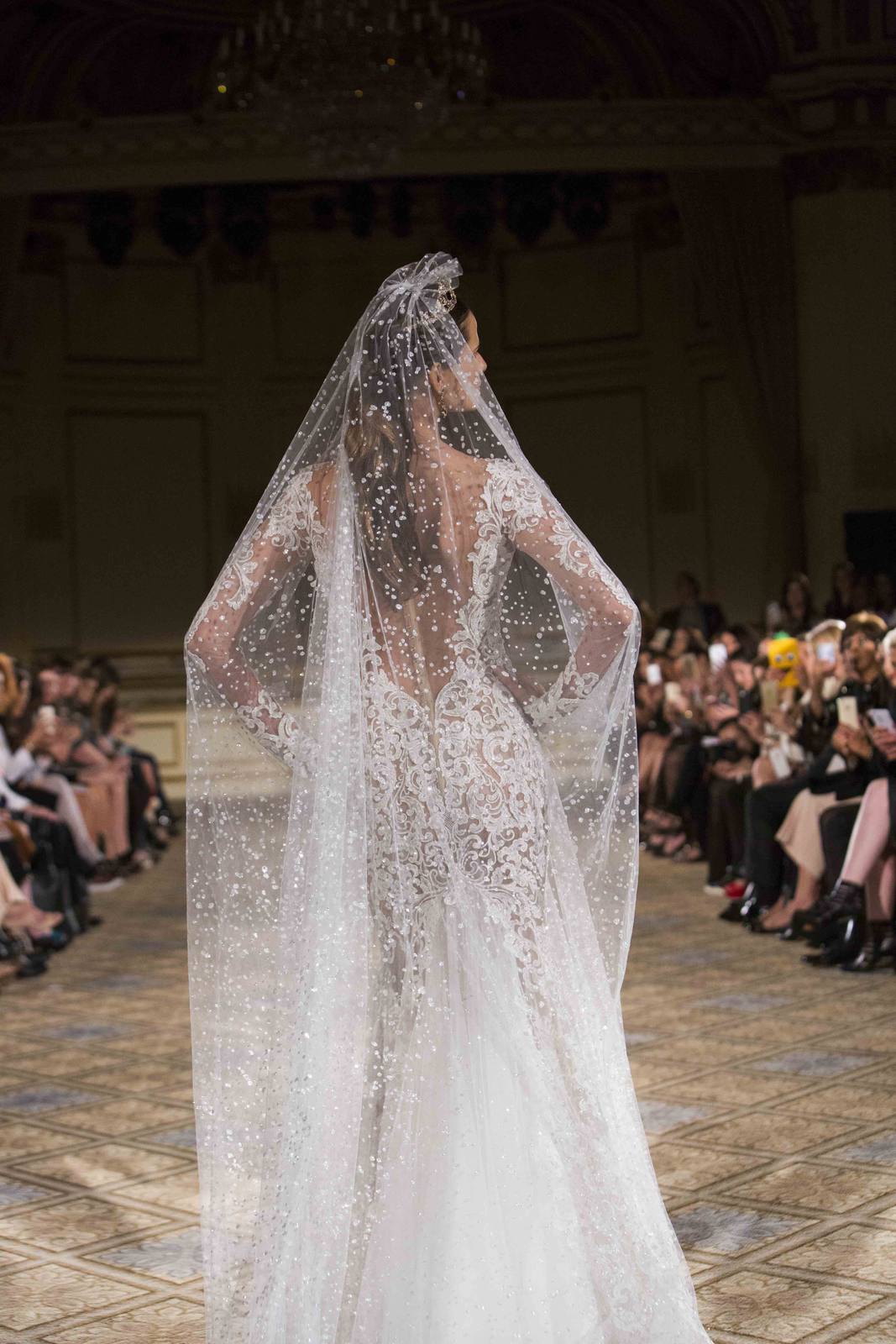
What did not change is visible on other runways. The sample size, the size the atelier cuts for the show, remains the industry's default setting, and the default is still very small. More than a decade of commitments did not rewrite the pattern block. The houses that cast diversely tend to be the ones that were already inclined to; the houses that were not have the cover of a changed conversation without the cost of changed practice.
The honest accounting is that a pact is not a law. The Vogue Health Initiative had no enforcement mechanism and no penalties; the CFDA guidelines are guidelines, not statutes. Compare the decade of voluntary commitments with the Fashion Workers Act, which arrived with contracts, transparency requirements, and a reporting channel written into law. The industry kept its promises exactly as well as it was required to, which is the lesson of every voluntary code.
The counter-argument the industry makes is worth hearing fairly. The houses say the sample size is a production constraint, not a beauty standard: the atelier cuts one size for the fittings, and changing it mid-process is expensive. It is a real constraint, and it is also a choice disguised as one. The houses that wanted a broader cast found the budget for more sizes. The constraint binds exactly as tightly as the will behind it.
What comes next will be decided the way the last decade was: booking by booking, with the record as the witness. The commitments of 2012 gave the industry a document; the Fashion Workers Act gave it a law; the curve market gave it a proof of demand. The runway body is not waiting for another pact. It is waiting for the season when the broader cast is simply what the shows look like, and nobody remarks on it at all.
Ten years on, the standard has moved, but it moved the way fashion moves: unevenly, visibly at the edges, slowly at the center. The commitments of 2012 matter because they exist on the record, and the record is what the next campaign will cite. The runway body of the future will not be decided by a pact. It will be decided by who gets booked, season after season, and whether anyone is still counting.