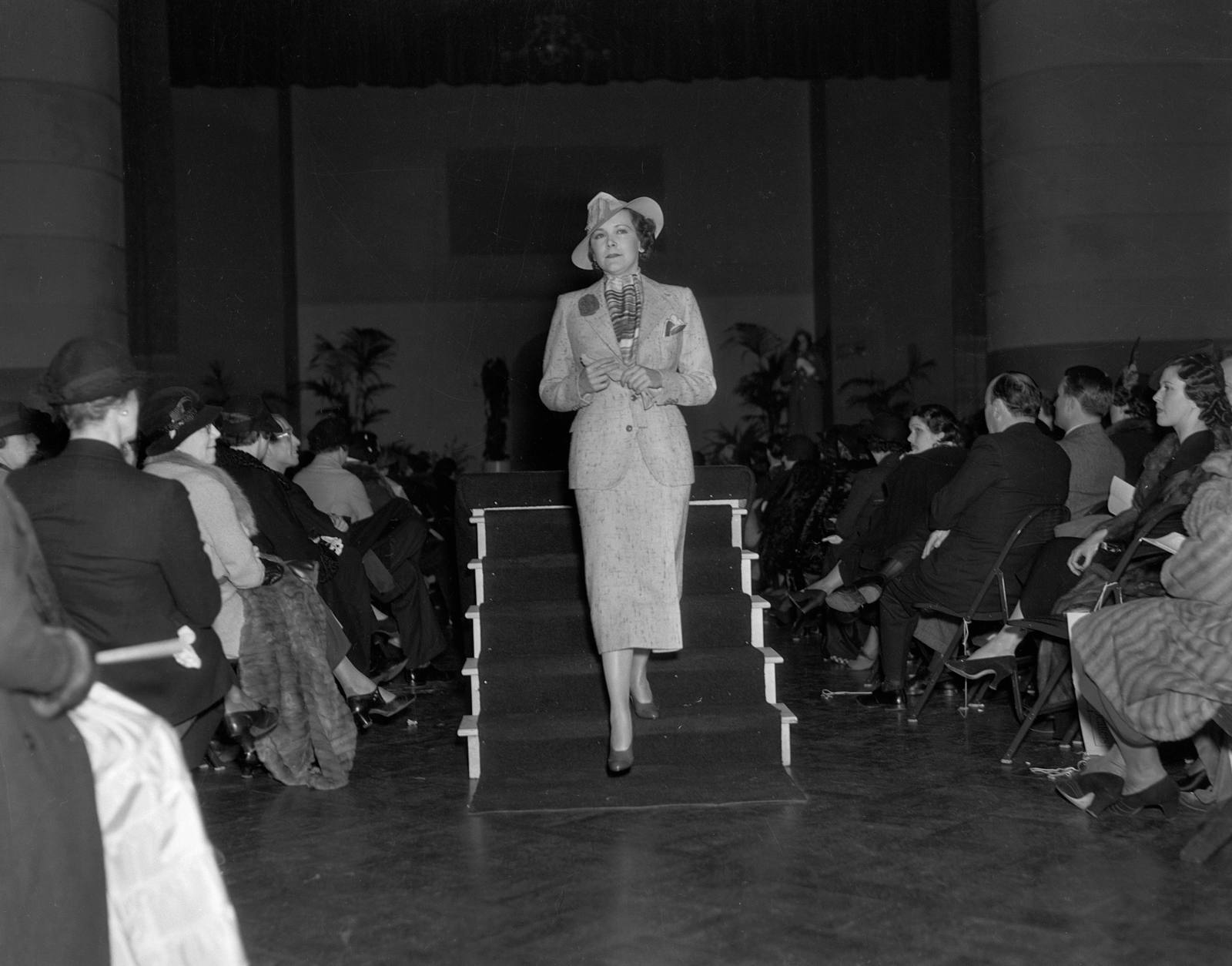
The discipline belongs to fashion public relations. Firms like KCD Worldwide handle show production and front-of-house for major houses, and the seating chart is among their most sensitive instruments. Every placement is a message: to the press, to the buyers, to the talent, to the rival houses reading the room. A front-row seat says the house values the relationship. An empty one says something louder.
What a front row costs a brand is not measured in ticket prices, because there are none. It is measured in the currency of access: the gifting, the dressing, the relationship maintenance that keeps a prominent face returning season after season. The investment is real and continuous, and it is accounted for in the house's communications budget as the price of the room's photographability.

Why the same faces recur is the least mysterious part. A front row is a portfolio of relationships, and relationships compound. The editor who has covered the house for a decade, the actor between projects, the musician whose audience the house wants: each seat is a bet on whose presence will carry the collection furthest. New faces appear when the house wants a new audience. The regulars are the house's standing army.
The chart itself is drawn with the precision of a military operation. Sightlines, camera positions, rivalries, and protocol all factor in. Two people who must not be photographed together are not seated together. The house's most important guest sits where the cameras cannot miss them. It is diplomacy performed in chairs, and the PR team are the diplomats.

The invitation itself is an instrument. Paper or digital, the invite signals the house's regard before the guest has left home: the weight of the card, the timing of the send, the plus-one or the single seat. In an age when everything is photographed, the invitation is photographed too, and the houses design accordingly. The envelope is the first seating decision.
Standing room is the chart's shadow economy. Behind the seated rows, the photographers and the junior press stand through the show, and their placement is managed with the same care as the front row's. The room is a complete composition, and every figure in it has been considered. There are no accidents in a seating chart, only decisions the audience is not meant to notice.
The digital front row is the newest layer. The livestream audience, the social posts from inside the room, the guests whose following matters more than their title: the PR team now casts for two audiences at once, the room and the feed. A guest who photographs well from the third row may be worth more than a title in the second. The chart has learned to think in pixels as well as protocol.
When the lights go down, the front row becomes the show's second cast, and the photographers know it. The runway gets the collection; the front row gets the context. A house that casts its audience well has understood something essential about modern fashion: the clothes walk for fifteen minutes, but the room is photographed forever.