Quarona is a small town in Piedmont, in the Valsesia valley, and it is where the modern Loro Piana begins. In 1924 the engineer Pietro Loro Piana founded Ing. Loro Piana & C. there, but the family business was already old: the Loro Pianas had traded wool cloth from Trivero, in the same corner of northern Italy, since the beginning of the nineteenth century. Before the founding, the family had run the wool spinning mills Fratelli Lora e Compagnia and Zignone & C. in Quarona itself. The company Pietro incorporated was, from its first day, a mill with a merchant's memory.
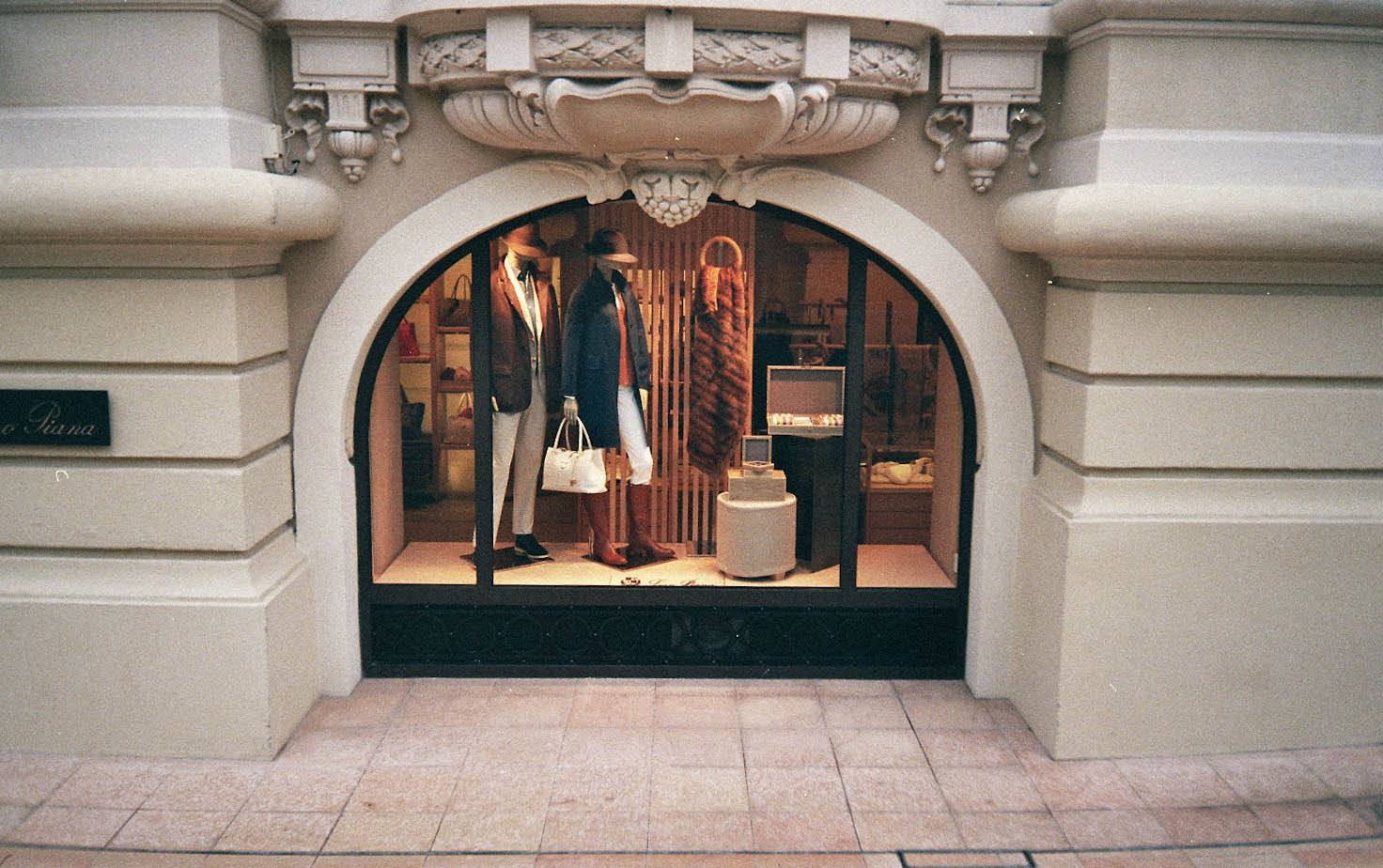
After the Second World War, Franco Loro Piana, Pietro's nephew, took the helm and began exporting the mill's fine fabrics to Europe, the Americas and Japan. His sons Sergio and Pier Luigi took over in the 1970s and changed the question the company asked itself. The mill had sold cloth to other houses; the brothers wanted the finished garment, made to the same standard as the fabric. Their research produced fabrics such as Tasmanian, and in the 1980s the house launched its first ready-to-wear collection and a luxury goods division, crafting its first finished products between that decade and the early 1990s. The first Loro Piana store opened in Milan in 1998.
The brothers' real subject was never the garment. It was the fibre, and the house has always sold a measurement before it sold a garment. Loro Piana became one of the largest purveyors of cashmere in the world, and its standards for purity, fineness and length are applied to raw material batch by batch. The pursuit was systematic. If a finer fibre existed somewhere in the world, the house went and found the animal, the herders, and the terms on which it could be bought.
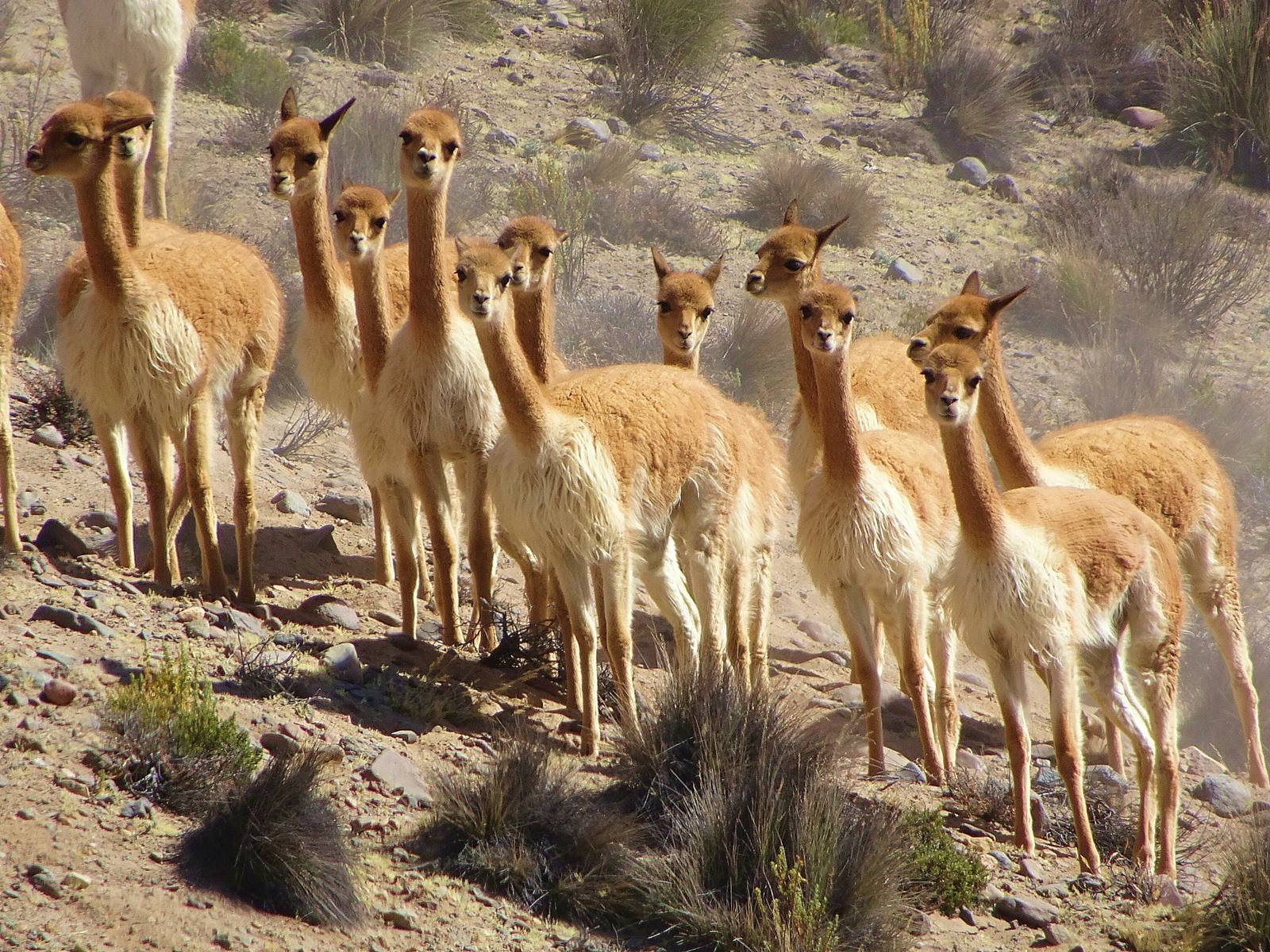
Nothing explains the method better than the vicuña. The small Andean camelid produces a fibre averaging 12.5 microns, and by the twentieth century the animal had been hunted close to extinction for it. In 1994 Loro Piana, at the head of a consortium, signed an agreement with the Peruvian government and the Andean communities: the house received exclusive rights to buy, process and distribute vicuña fibre, taken only from animals sheared alive under CITES rules. In 2008 it established the Franco Loro Piana reserve, a 2,000 hectare private property in Peru where the animals live in their natural habitat and the fibre can be studied at the source. Conservation was not a side project. It was supply security, pursued long before sustainability entered the fashion vocabulary.
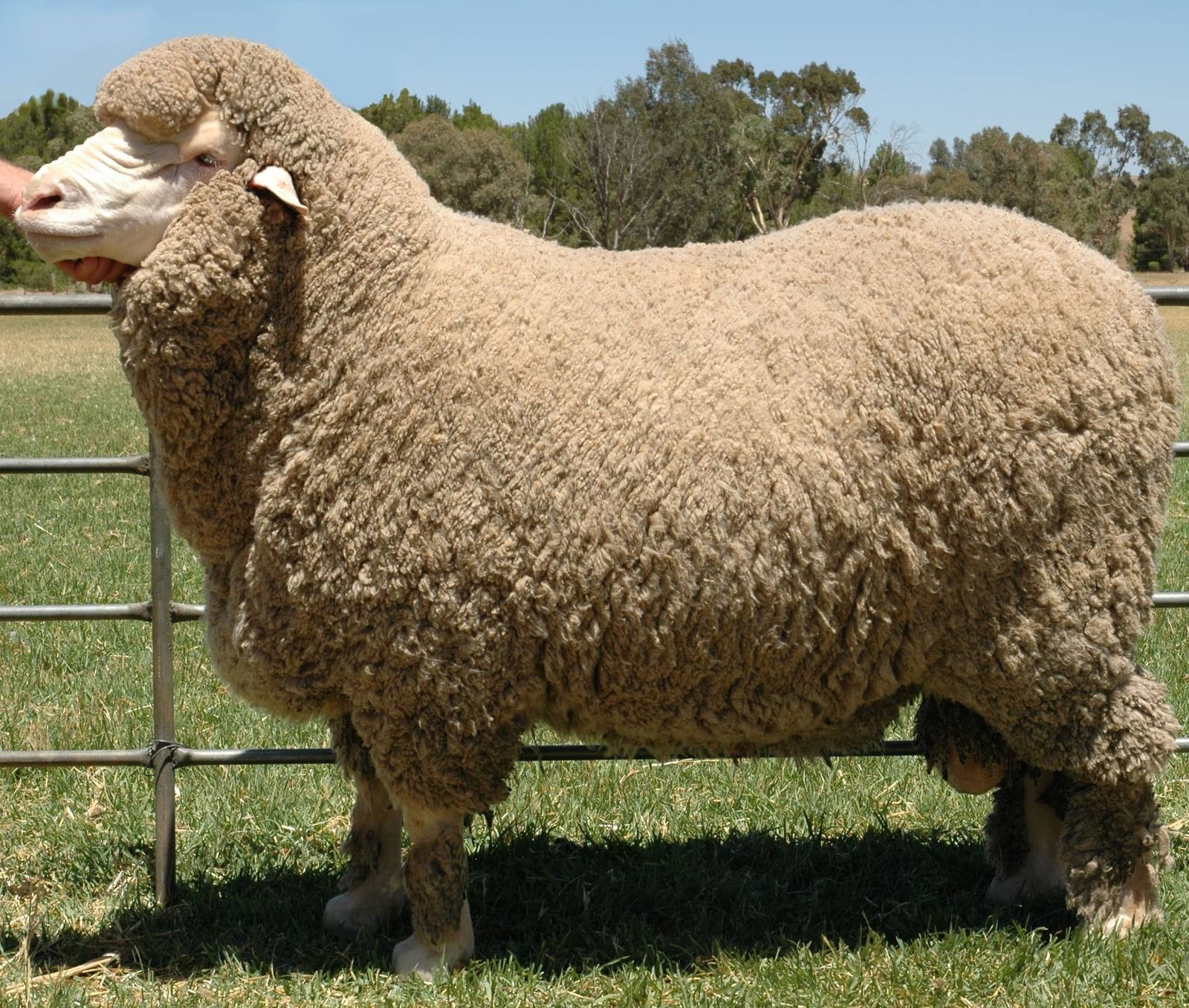
The Gift of Kings is the merino chapter of the same story, and the house tells its origin plainly. The name recalls an eighteenth century habit of the Spanish royal family: merino sheep sent in pairs to fellow sovereigns, as instruments of alliance and of honour. The wool itself comes from a selected group of breeders in Australia and New Zealand, the same stations that compete for the Loro Piana Record Bale Award, founded in 1997 to reward the finest bale of the year and to push fibre diameter down, season after season. The result is a merino of around 12 microns, which the house describes as finer than its Baby Cashmere and almost as fine as vicuña: pure white, crimped, naturally elastic, able to wick moisture and absorb excess heat, and produced in quantities that the breeders' selectivity keeps small.
Consider what that means in a single object. The two-tone scarf in The Gift of Kings is the house's argument made wearable: two tones of the same 12 micron merino, no logo doing the work, the change of colour carried entirely by the cloth. A wool this fine behaves less like winter equipment than like a second skin, insulating without weight and falling in the fluid drape that heavier scarves cannot manage. Since 2022, a garment in this fibre has also carried a QR code on its label, opening an Aura Blockchain Consortium record of its authenticity and of its journey from shearing to store. The scarf is a small thing. It is also the whole supply chain, folded.
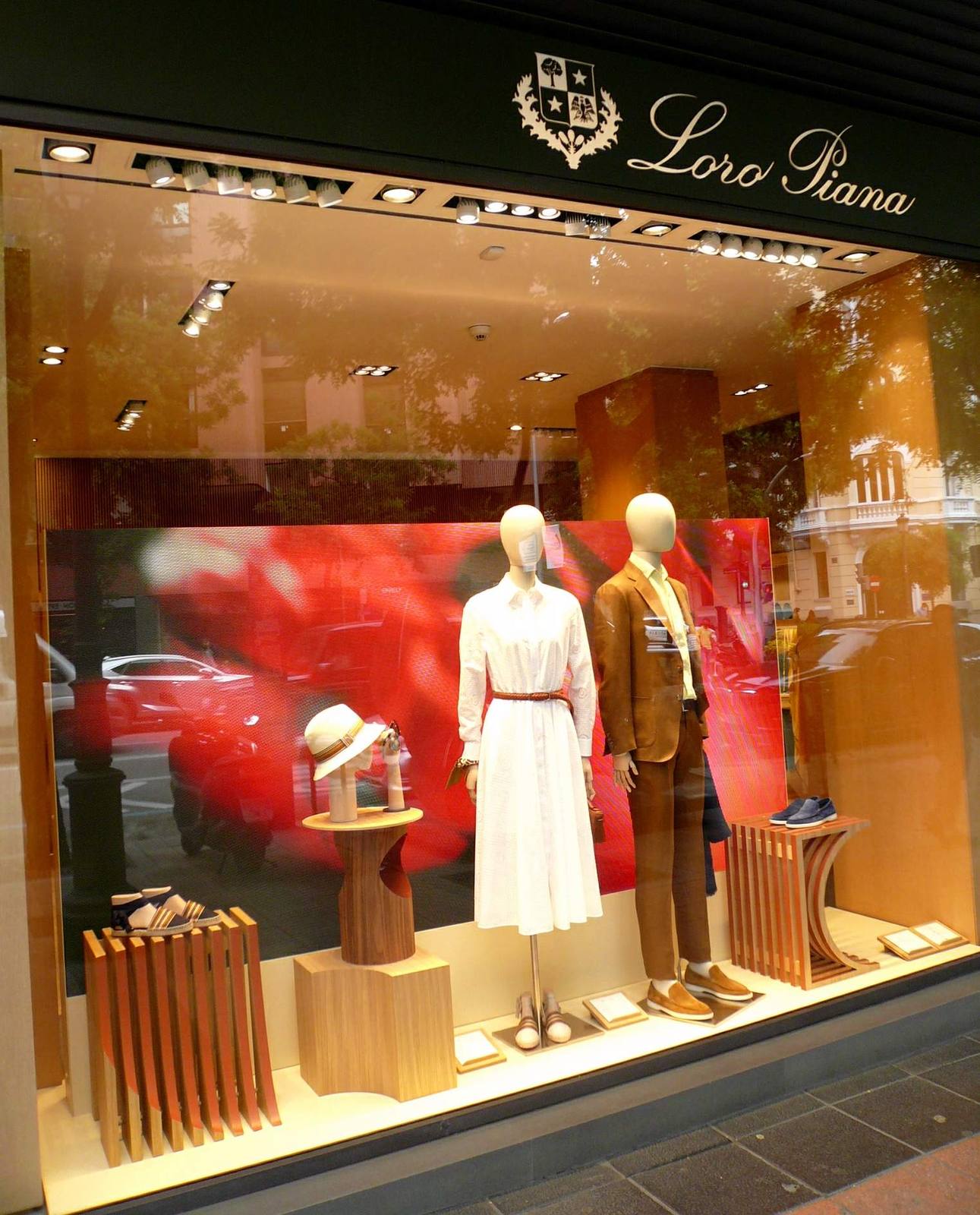
The clothing culture followed the fibre, and so did the shoes. In 2005 the house introduced its white sole shoes, the Open Walk ankle boot and the Summer Walk moccasin, designed for sailing and for the decks of the family's superyacht, My Song. The sole is the signature: white, so it leaves no mark on wooden decks, made from a blend of natural rubber exclusive to the house, set under an unlined suede upper. The Summer Walk became the rare luxury object that identifies its wearer only to those who already know, worn with everything from tailoring to swim shorts. Demand eventually required dedicated capacity, and in 2023 the house opened a new Italian footwear factory devoted to the white sole line.
In July 2013 the family sold control. LVMH acquired 80 percent of the company for 2 billion euros, at an enterprise value of 2.7 billion euros, in a transaction announced on July 8 of that year. The Loro Piana family kept 20 percent, and Sergio and Pier Luigi kept their leadership roles; the announcement forecast 2013 sales of 700 million euros, with EBITDA representing over 20 percent of sales. Sergio Loro Piana died that December, aged 65. LVMH has since added steadily to its holding, and the house the brothers built now sits inside the largest luxury group in the world, still headquartered in Milan, still measuring fibre.
The second Arnault generation now runs it. Frédéric Arnault became chief executive on June 10, 2025, and at the end of 2025 LVMH paid the family roughly 1 billion euros more to lift its stake from 85 to 94 percent, leaving the founding family with 6 percent and seats on the board. The house marked its centenary in 2024 and carried the celebration to Shanghai in 2025 with an exhibition titled, in the house's own idiom, If You Know, You Know. A century after Pietro Loro Piana incorporated a mill in Quarona, the product is unchanged in principle: the finest fibre the house can find, verified to the micron, and clothing quiet enough to let the measurement speak.