The campaign behind it took more than a decade. The Model Alliance was founded in 2012 by Sara Ziff, a model turned activist who had worked the runways she would later take on. The organization spent years documenting the conditions the industry preferred not to discuss: opaque accounting, charges models could not verify, and a reporting landscape in which complaining could end a career. In 2021, the CFDA gave the Alliance its inaugural Positive Social Influence Award, a sign that the industry's own establishment had started to listen.
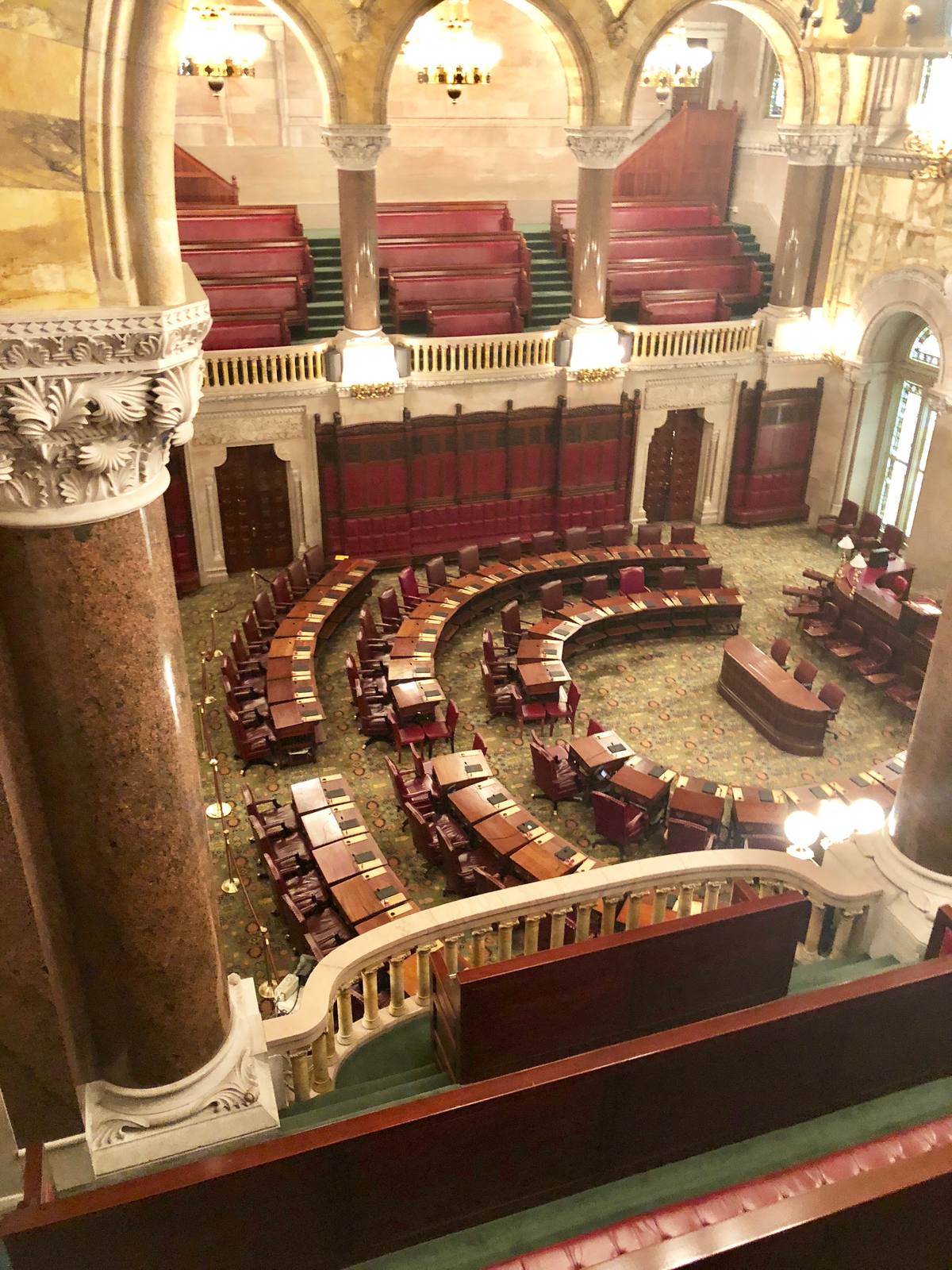
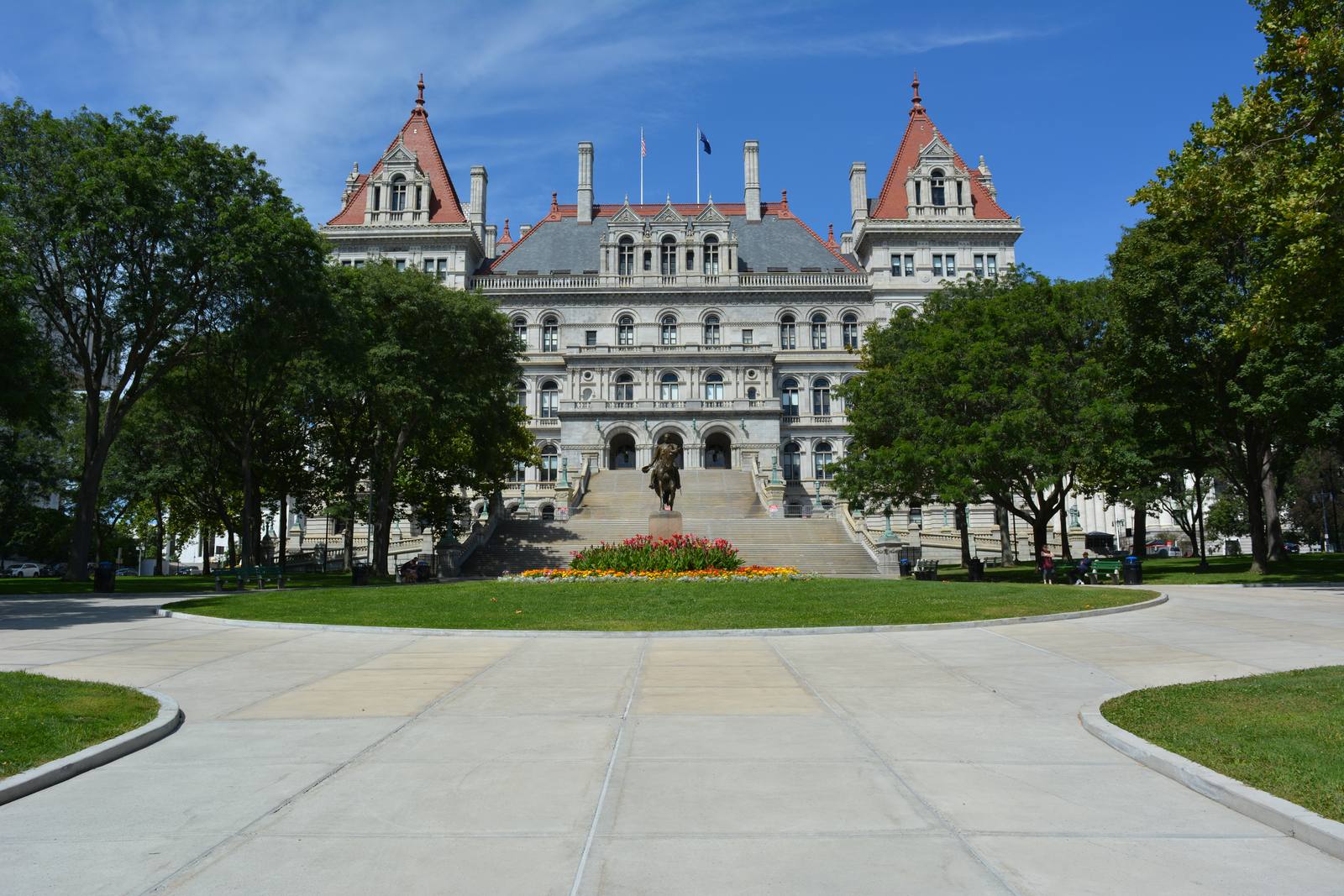
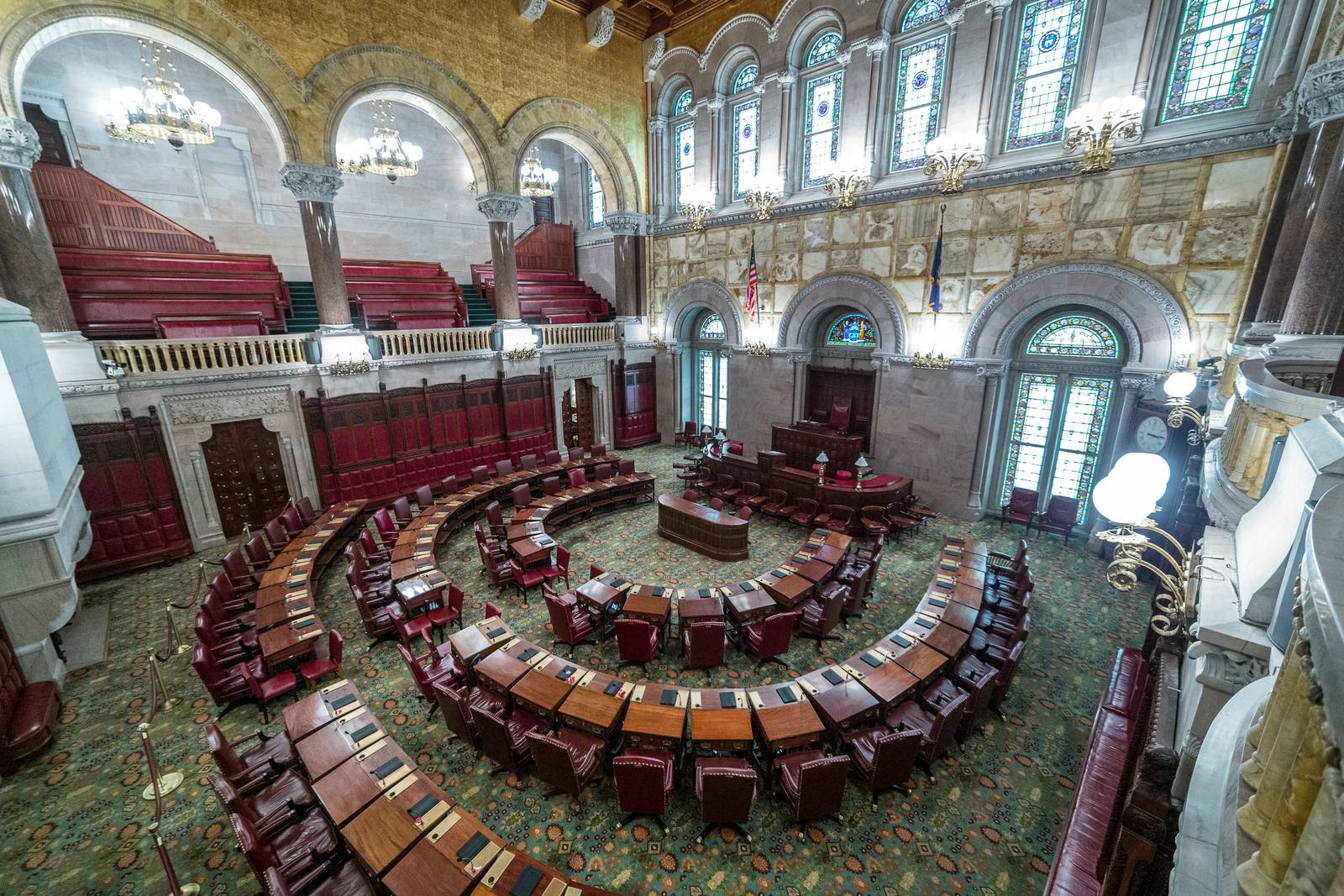
The bill was introduced in 2022, sponsored in the State Senate by Brad Hoylman-Sigal and in the Assembly by Karines Reyes. It moved the way labor bills move: slowly, then all at once. By the time it reached the governor's desk in December 2024, it had the shape of a complete regulatory framework rather than a statement of intent, and Hochul's signature made New York the jurisdiction every agency with a Manhattan office had to answer to.
What the law requires is paperwork, and paperwork is the point. Management companies must now provide deal memos and written contracts spelling out the terms of the relationship. Every expense charged to a model, from the flight to the apartment to the prints, must be shown transparently on the account. The days of the inscrutable statement, the line items a nineteen-year-old could not decode, are over by statute.
The law goes further than accounting. It requires harassment safeguards in the workplace and a retaliation-free channel for reporting violations, addressing the industry's oldest open secret: that the power imbalance between a young model and the company holding their visa, their housing, and their bookings made complaint functionally impossible. The reporting channel is designed to break that arithmetic.
For the agency business, the practical effect is a new cost of doing business: compliance. Contracts must be drafted, expense systems must produce legible statements, and the informal arrangements that ran the model apartment economy must now survive daylight. The houses that already ran clean books will notice the least. The ones that did not are the reason the law exists.
Enforcement is the open question, as it is with every new labor statute. The law's machinery is the paper trail it creates: contracts on file, expenses disclosed, a reporting channel that does not punish the reporter. Whether that machinery bites will depend on the complaints filed, the audits conducted, and the willingness of the state to treat a glamour industry like any other employer. The first year of any law is the year its teeth are tested.
The law's reach extends beyond Manhattan's agency row. Any management company doing business with models in New York falls under its terms, which means the statute follows the work rather than the office address. A model booked in New York by an out-of-state agency carries the law's protections into the booking. That jurisdictional design is what gives the Act its weight: it regulates the market, not just the landlords.
The industry's response has been notably quiet. There were no dramatic walkouts, no public campaigns against the statute, which tells its own story about where the consensus had moved. The agencies that objected did so in the language of compliance costs; the ones that welcomed it did so in the language of professionalism. A law that the regulated industry accepts without a fight is a law whose time had come.
What is already certain is the precedent. No fashion capital had regulated model management before New York did, and every other market now negotiates against that fact. Paris, Milan, and London watch the experiment. The industry spent decades arguing that its economics were too unusual for ordinary labor law. New York has answered, in statute, that unusual economics are exactly what labor law is for.