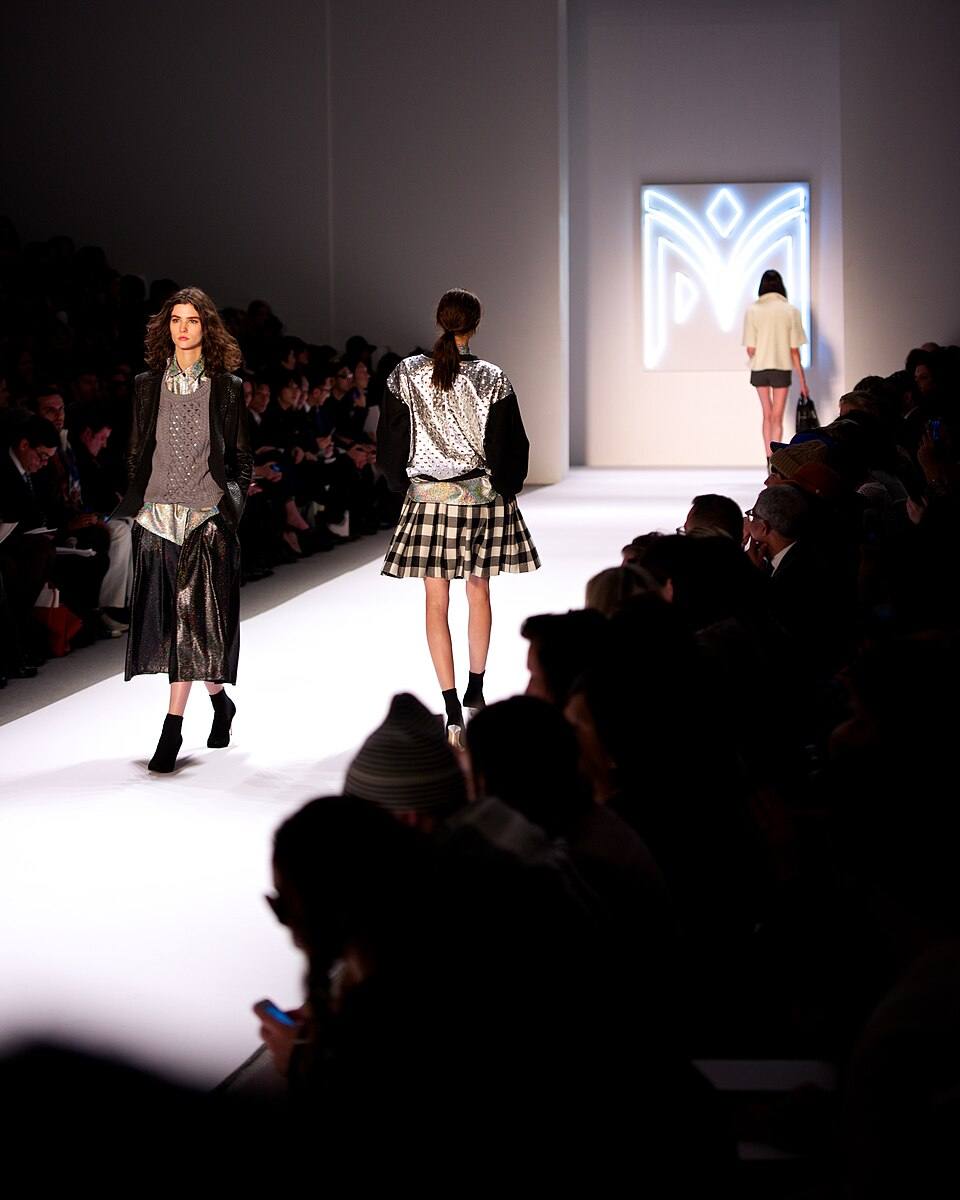
The two largest luxury groups in France have rewritten the rules for the people who wear their clothes. LVMH and Kering announced on October 8 that they are strengthening the joint charter on working relations with fashion models first signed in 2017. The new version raises the minimum age for models representing adults to 18, sets formal rules for nudity on set, and adds confidential reporting and unannounced workplace audits. The strengthened rules take effect starting with the next Paris Fashion Week in 2027.
The headline commitment is the age line. From next year, a model must be at least 18 to represent an adult in a fashion show or photo shoot for the two groups' houses. For Kering, which set an 18 minimum in May 2019, the move extends an existing commitment. For LVMH, which set the line at 16 in 2017, it is an evolution upward. The wording matters: this is not a blanket ban on under-18 modelling. It is a ban on casting minors as adults, the industry's oldest ambiguity, now closed at the groups behind Louis Vuitton, Dior, Gucci, Saint Laurent, and Balenciaga.
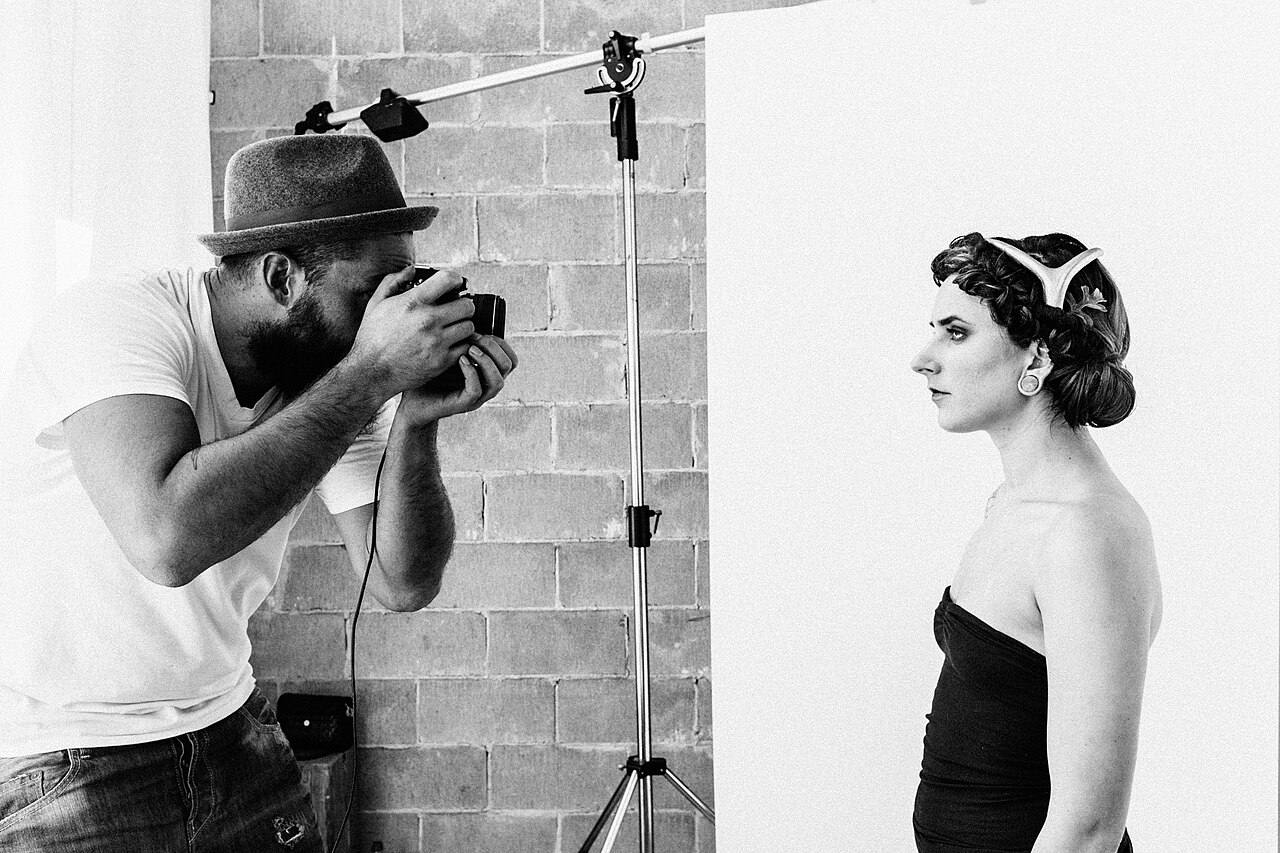
The charter's most concrete new language governs nudity. Productions involving full or partial nudity now require the model's prior formal agreement, a dedicated space for undressing, and a rule that a model must never be left alone with a member of the production team while undressed. The official text phrases it as an extension of the charter's original privacy provisions. In substance, it is the most detailed version of the rule the groups have ever published.
Around those specifics sits a framework of accountability. The groups reaffirm, in the charter's own words, "a strict principle of zero tolerance for any form of harassment, abuse or violence, particularly gender-based or sexual." A strengthened reporting procedure can be activated at any point during a collaboration, guaranteeing anonymity and protection for witnesses. Unannounced checks and audits at workplaces will verify compliance. Awareness-raising and training initiatives will cover brands, agencies, and all teams involved in castings, fashion shows, and photo shoots. The charter also reaffirms inclusion and non-discrimination in selection, respecting the diversity of talent while preserving each brand's artistic freedom.
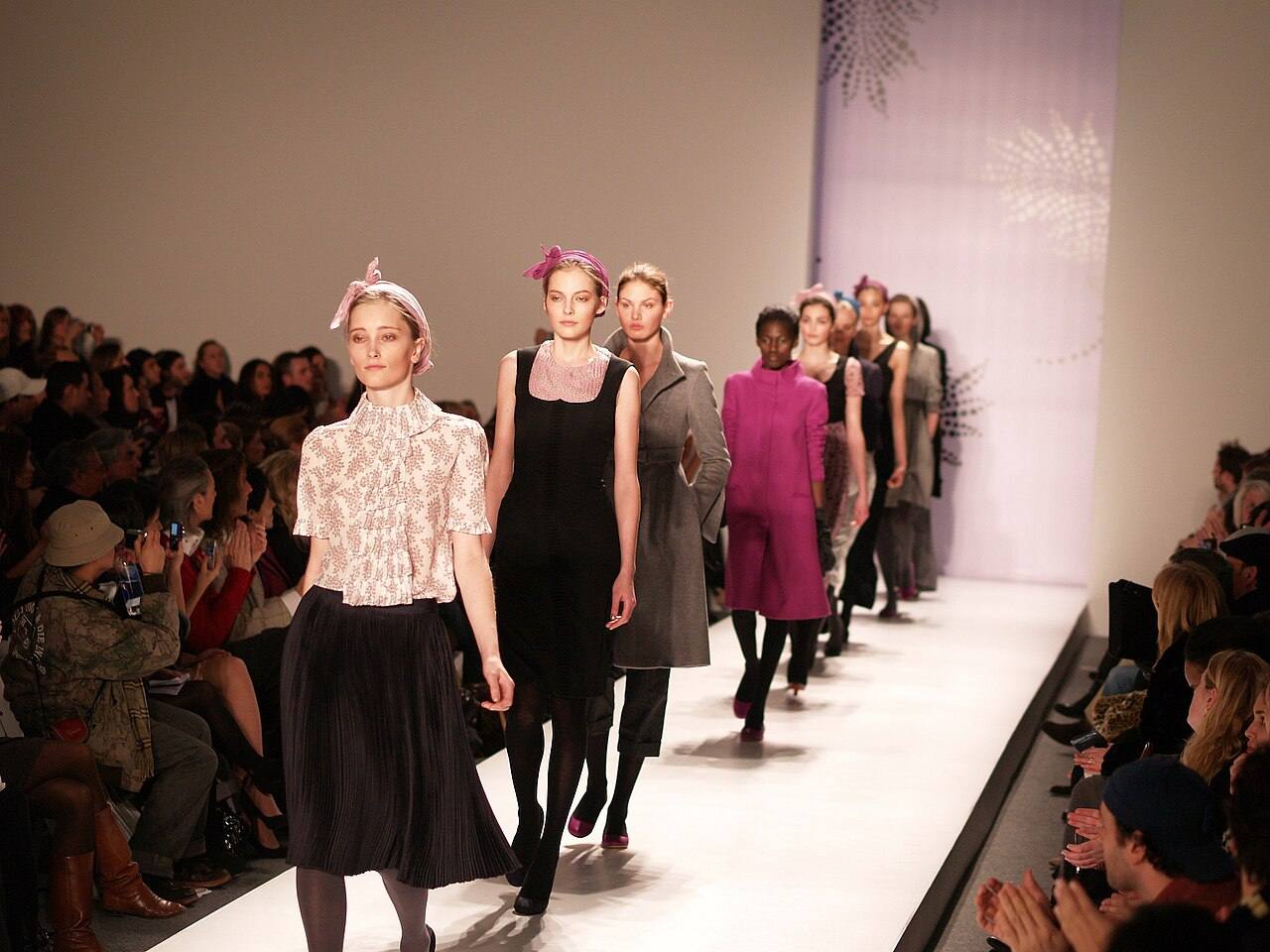
Marie-Claire Daveu, Kering's Chief Sustainability and Institutional Affairs Officer, called the charter "a simple conviction: the respect, safety and dignity of those who embody fashion are non-negotiable." Antoine Arnault, speaking for LVMH on image and environment, said the protection of models "is not an isolated action but a commitment shared by all players in the industry, brands, agencies, casting directors and models themselves."
Notably, the charter extends its reach beyond the houses themselves. The awareness and training initiatives cover brands, agencies, and all teams involved in castings, fashion shows, and photo shoots, and the unannounced audits apply to workplaces across the production chain. The document recognises what every working model already knows: that bookers, casting directors, and production staff shape working conditions as much as the houses do.
The 2017 charter was itself a landmark. Signed that September, it required models to present a medical certificate from the previous six months, banned size 32 for women and size 42 for men in French sizing from casting requirements, barred under-16s from shows and shoots representing adults, kept 16-to-18-year-olds off night work with mandatory chaperones and school-attendance obligations, put a dedicated psychologist on set, and gave models a direct channel to complain against agencies, casting directors, or brands. It followed public whistleblowing by casting director James Scully about mistreatment at Balenciaga and other houses, a moment that forced the industry's largest employers to put working conditions in writing.
What the charter is not matters too. It binds the two groups' houses; it does not automatically cover every fashion company. An independent brand or agency is not bound by it unless it adopts the same standard. That is the honest limit of the document, and also the honest measure of its power: the two groups are the industry's largest employers of models, and their standard has a way of becoming the industry's standard. The 2026 additions that will decide whether the promises hold are the ones that can be checked: unannounced audits, anonymous reporting, and training that reaches the bookers and production teams who set the tone on set. A charter is a text. The audits are the story to watch.