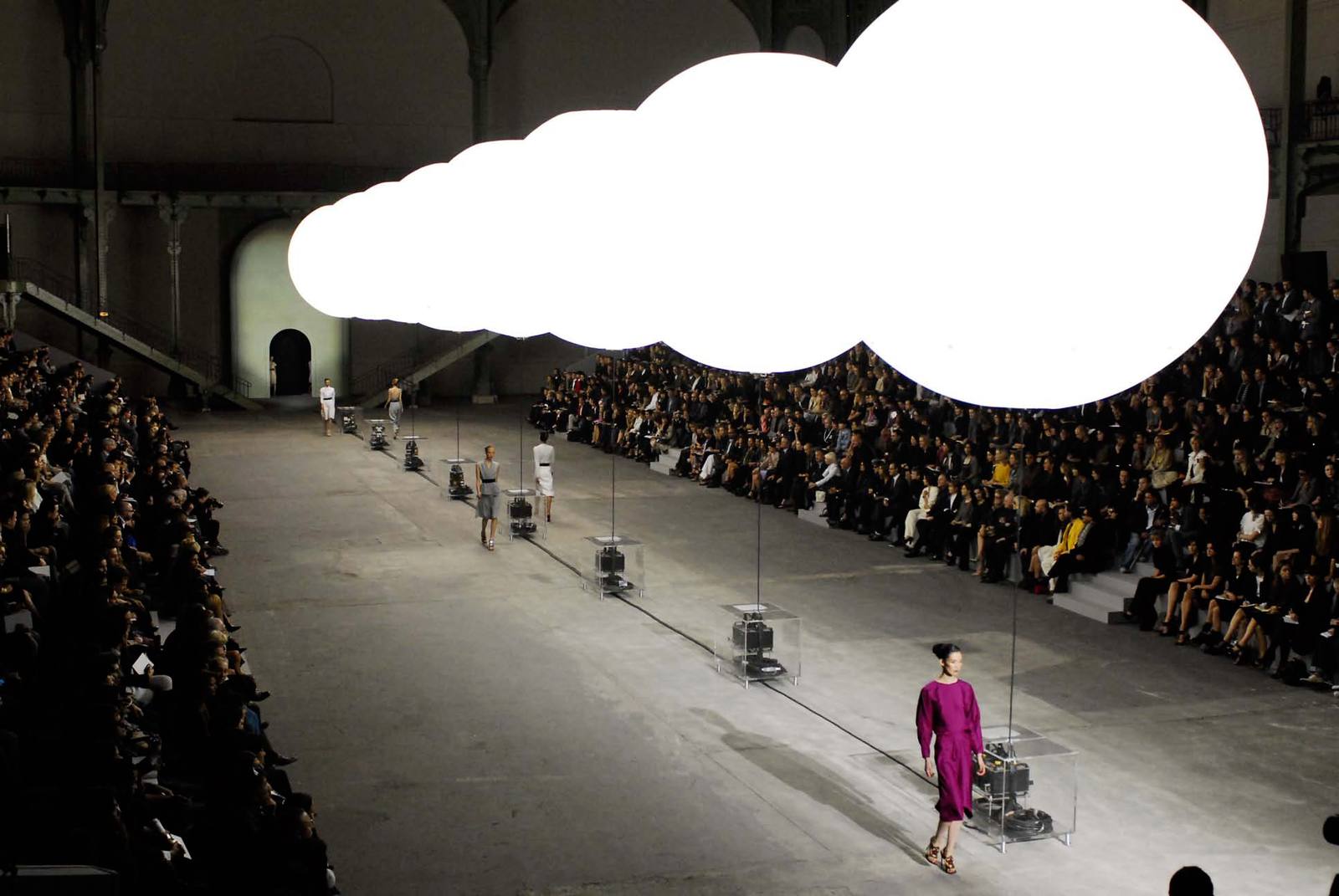
The production stack starts with the venue and the build. Paris has its established rooms, and the Federation de la Haute Couture et de la Mode, which organizes Paris Fashion Week, sets the calendar the whole machine runs on. The set is constructed, lit, and sounded to the centimeter, then struck within hours. It is theater architecture with a one-night run, priced accordingly.
The largest line items are labor. Hair and makeup teams work through the morning on dozens of faces. Dressers are booked for the lightning changes. The casting has already been paid for in the months of fittings. None of these craftspeople are optional, and none of them work for exposure. The fifteen minutes on the runway are the tip of a week of paid work.

The specialist at the center of it is the show producer. Bureau Betak, founded by Alexandre de Betak, is the name most associated with the modern fashion presentation: the company that turned the runway show from a salon walk into a staged production. The producer coordinates the venue, the build, the timing, and the hundred moving parts, and the fee reflects that the show is now a media event, not just a trade presentation.
Music, seating, and front-of-house complete the budget. The seating chart is its own discipline, handled by the house's public relations team. The livestream and the photographers' positions are production decisions with real costs. Every seat in the room, every camera angle, every second of the soundtrack has been specified, rehearsed, and paid for before the doors open.
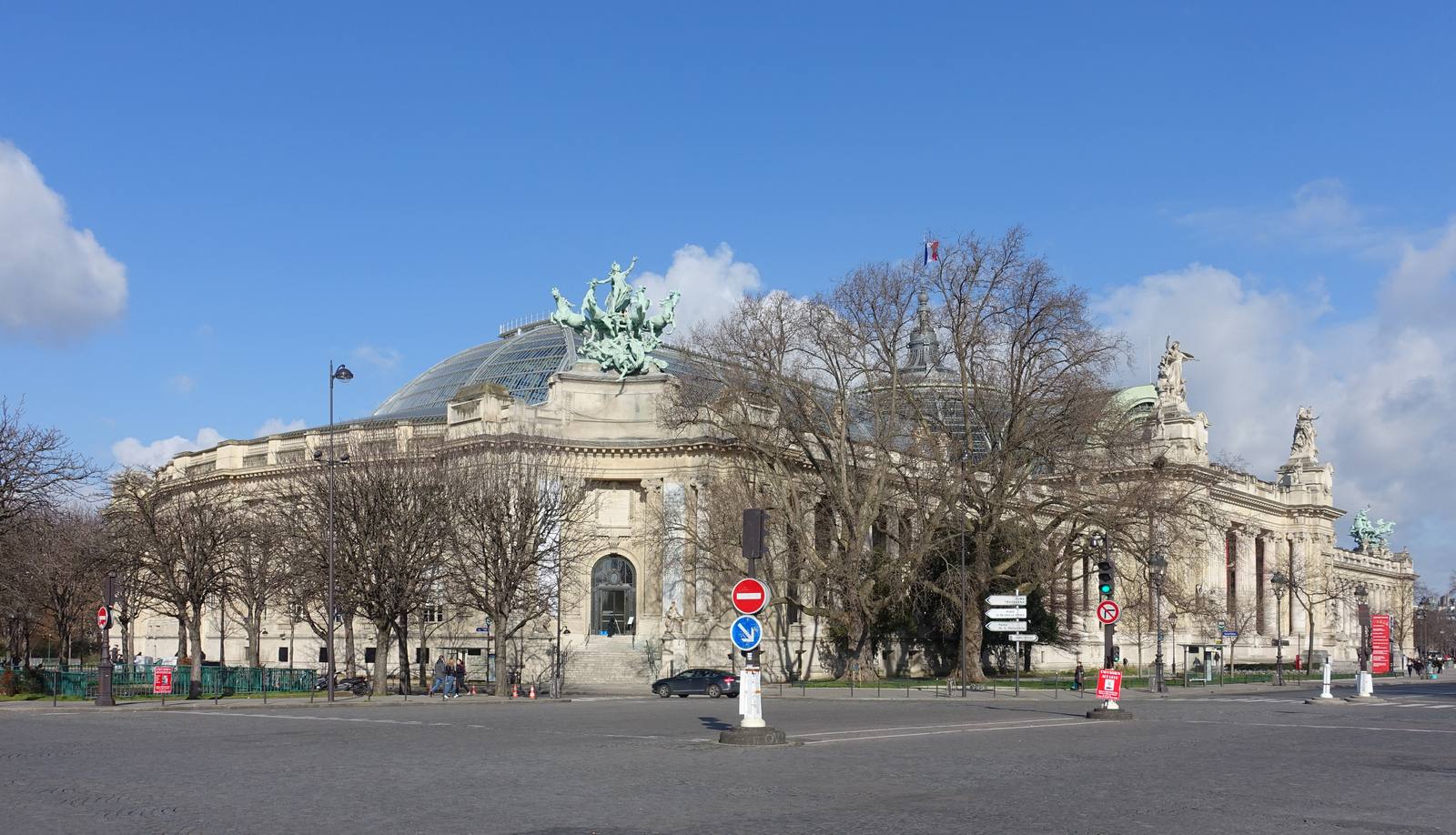
The venue decision is the budget's first fork. A historic Paris room carries prestige and a price to match; an off-calendar raw space costs less and says something different about the house. Some houses show in their own stores, turning retail into theater. The choice of room is the first creative decision and the first line item, and the two are inseparable.
Hair and makeup are their own economies within the economy. The key artists are names in their own right, booked months ahead, commanding fees that reflect that a show's beauty look will be photographed ten thousand times before noon. The teams beneath them work the morning in choreographed shifts. The fifteen minutes of runway rest on four hours of chairs, and the chairs are not cheap.
Then there is the afterlife the budget buys. The show is staged once and photographed forever: the images travel into reviews, campaigns, and archives that sell the collection for seasons. Measured against that return, the fifteen-minute illusion starts to look like the industry's most efficient marketing spend. The houses keep signing because the math, on their terms, keeps working.
Who signs is the house, and the signature is a statement of faith: that fifteen minutes of controlled spectacle still moves the commercial needle in an age of infinite content. The budgets are real, the invoices are long, and the houses keep paying them, season after season. That is the truest measure of what the runway is worth to fashion: whatever it costs, the industry considers it the price of being seen.
