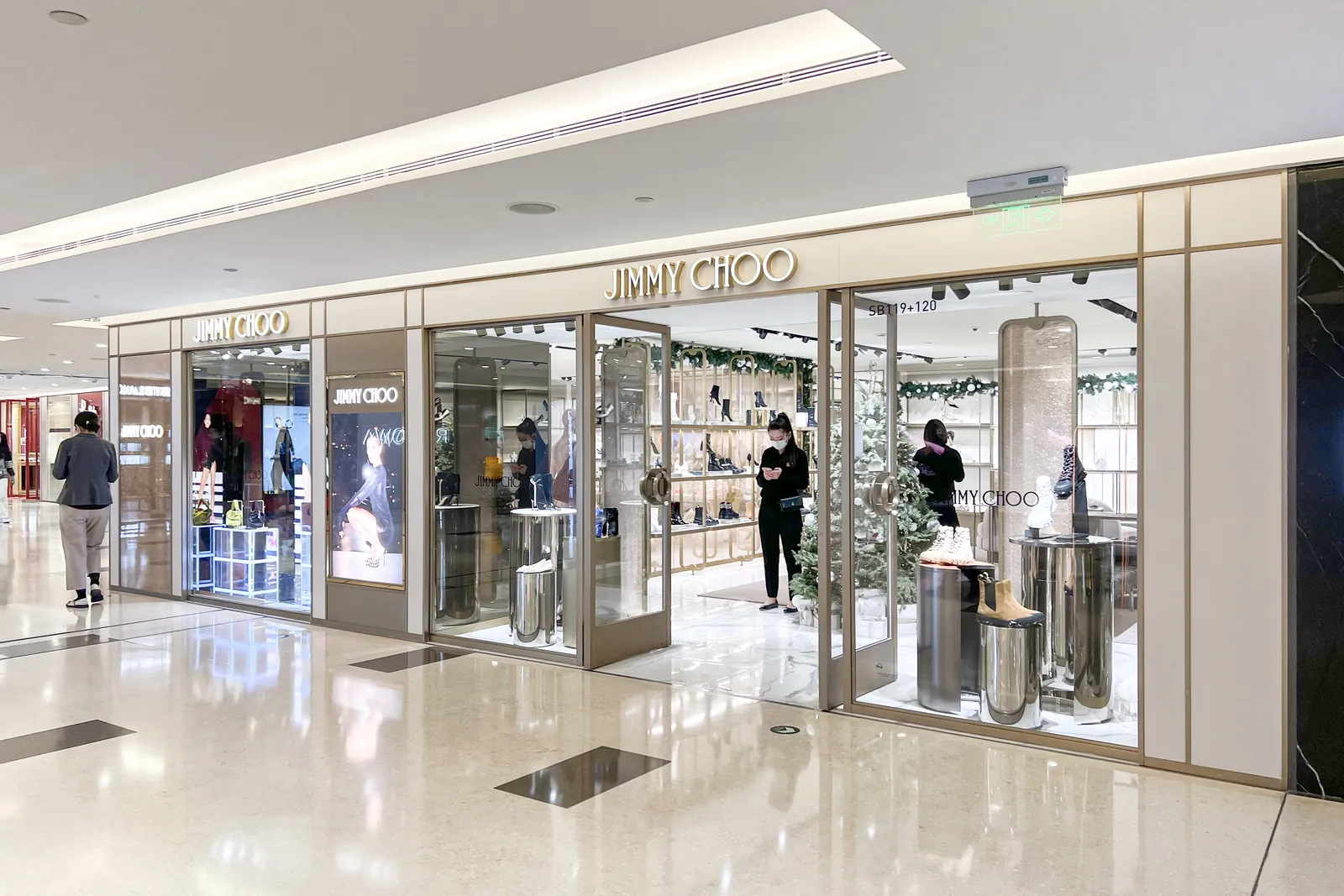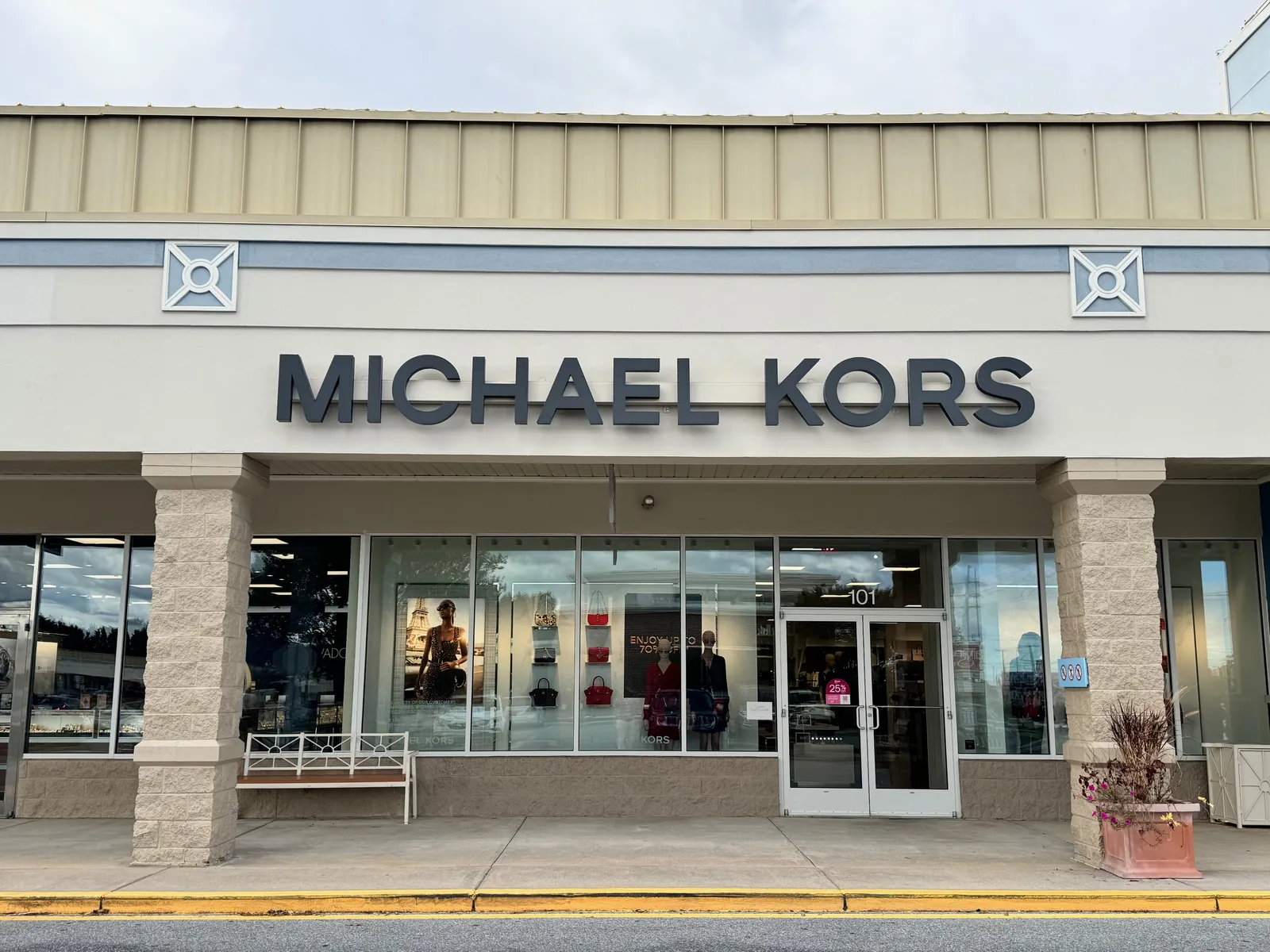
Capri Holdings, the group behind Michael Kors and Jimmy Choo, announced on November 11 that Justin Boxford will become its chief executive officer on January 4, 2027, and will join the board of directors on the same date. John D. Idol, who has led the company for more than two decades, will retire as chairman and chief executive officer. Robin Freestone, currently the group's lead director, will become independent chairman of the board. Idol will stay on as a senior advisor through March 31, 2027, a handover period of just under three months.
Boxford arrives from beauty, not from a rival fashion house. Capri's announcement credits him with nearly 30 years of global luxury and beauty industry experience, more than two decades of it at The Estée Lauder Companies, which he joined in 2004. He was most recently global president of luxury beauty brands. Before that he was global brand president of Estée Lauder, where the company says he led a transformation that restored growth and regained market share, and spent five years leading La Mer, more than doubling the brand's size. His earlier career included senior roles based in Hong Kong, responsibility for TOM FORD BEAUTY across Asia Pacific, and, notably for this appointment, responsibility at one point for Michael Kors fragrances.
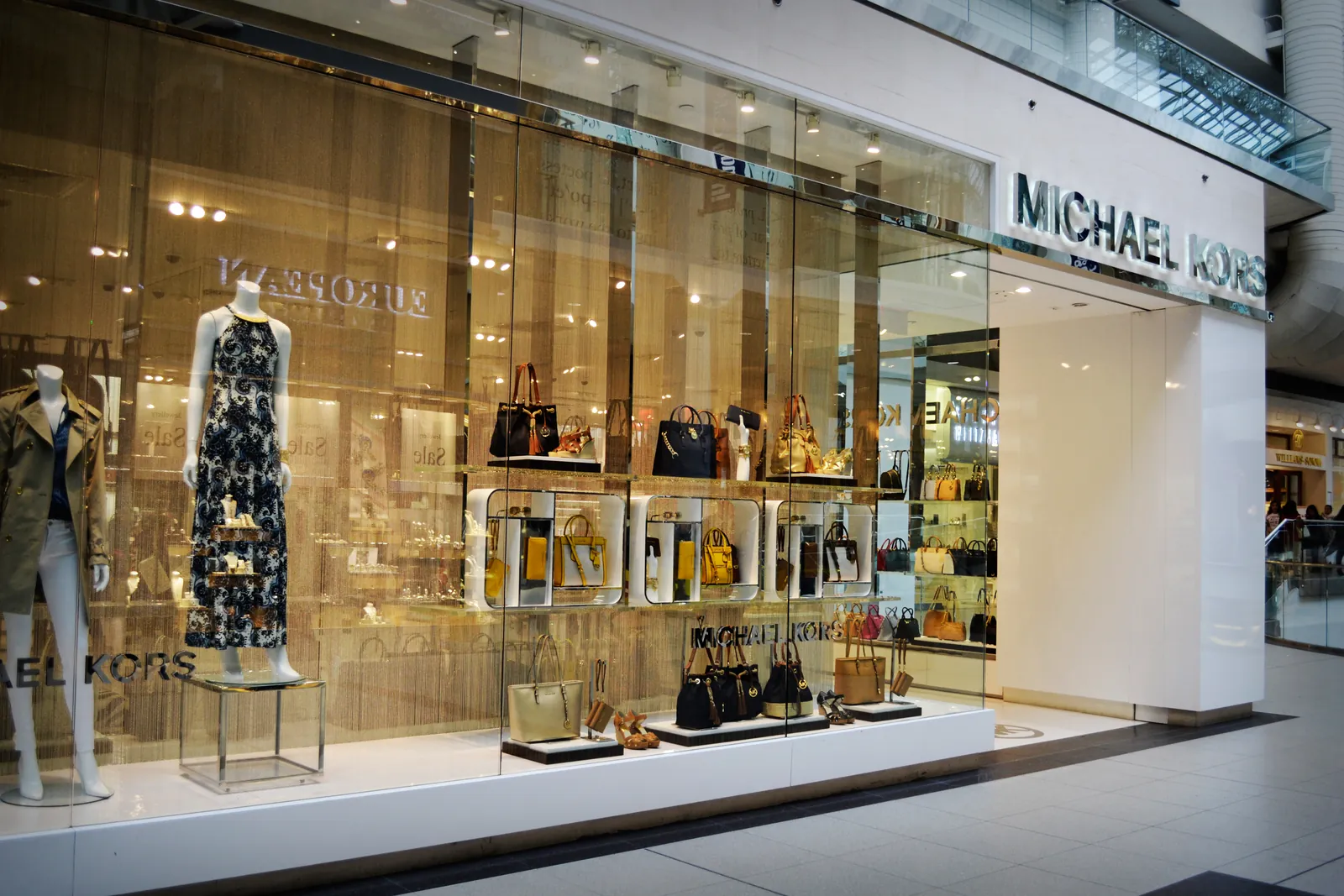
Freestone, speaking for the board, framed the hire as the end of a deliberate search. "This announcement is the culmination of a thorough Board-led process to identify Capri's next Chief Executive Officer, and we are confident that Justin is the right leader to guide Capri in its next chapter of growth," he said. Boxford's own statement kept to the two names that now define the group: "Michael Kors and Jimmy Choo are iconic luxury houses, with distinct identities and tremendous potential. I look forward to working with Capri's teams around the world to build on the brands' strong foundations, deepen connections with consumers and drive sustainable growth and value for our shareholders."
Idol's farewell put a number on his tenure and a reason on its timing. "It has been an extraordinary privilege to lead Capri for the past 23 years," he said. Under his leadership, Capri's own account says, Michael Kors was expanded into a multi-billion-dollar brand globally, and the group acquired Jimmy Choo and grew it over the past eight years. Idol said the company is on the path to return to growth in the fourth quarter, and called this the perfect time for the transition. He also disclosed a prior working relationship with his successor: he had worked with Boxford in the past while Boxford helped build the Michael Kors fragrance business at Estée Lauder.
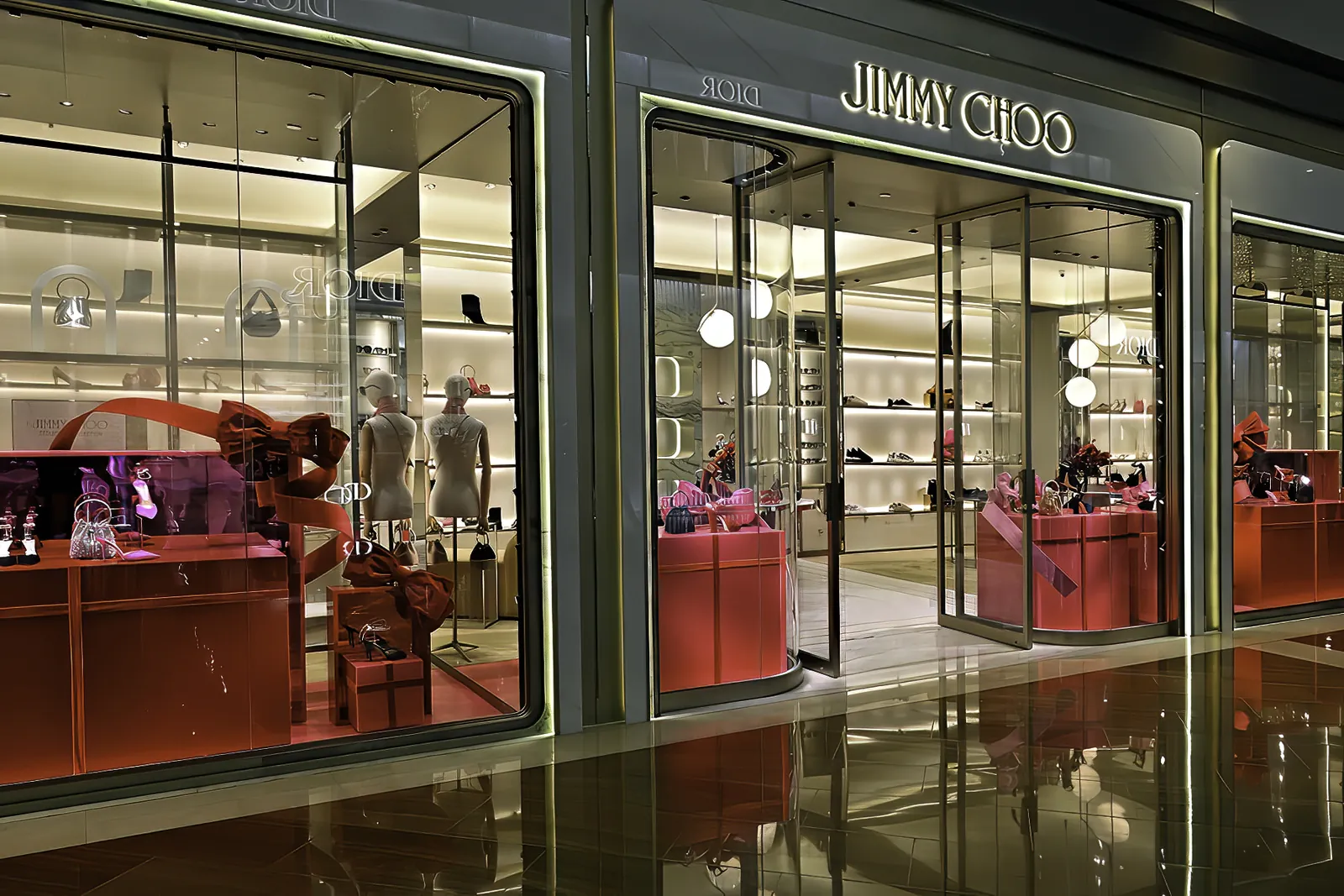
The appointment is a specific kind of bet, and the fashion side of the trade should read it as such. Capri did not hire a creative director to run the group, and it did not hire a fashion operator from a competing house. It hired a brand builder whose record is in fragrance and skincare, categories where the product is bought on identity, distribution and repeat purchase rather than on a seasonal collection. That is a statement about where the group believes its problem sits: not in the design studios of Michael Kors or Jimmy Choo, which keep their own creative leadership, but in how two famous names are positioned, distributed and grown.
The separation of roles at the top reinforces the point. For the first time in the Idol era, the chairman and chief executive jobs will be held by different people, with Freestone as independent chairman and Boxford as chief executive. Idol's advisory tail, ending March 31, 2027, is short by the standards of founder successions, which suggests a board that wants the new structure working quickly rather than a long shadow period.
What changes on January 4, 2027, is therefore clear, and what does not change is equally clear. The creative direction of Michael Kors and Jimmy Choo is untouched by this announcement. No collection, show or campaign decision follows from it directly. What follows is a group strategy set by a chief executive whose craft is building brands as businesses: fragrance taught him licensed categories, La Mer taught him the top of the price ladder, and the Estée Lauder flagship brand taught him how to return a famous name to growth. Capri has two famous names. It has hired the growth mechanic, and kept the designers where they were.