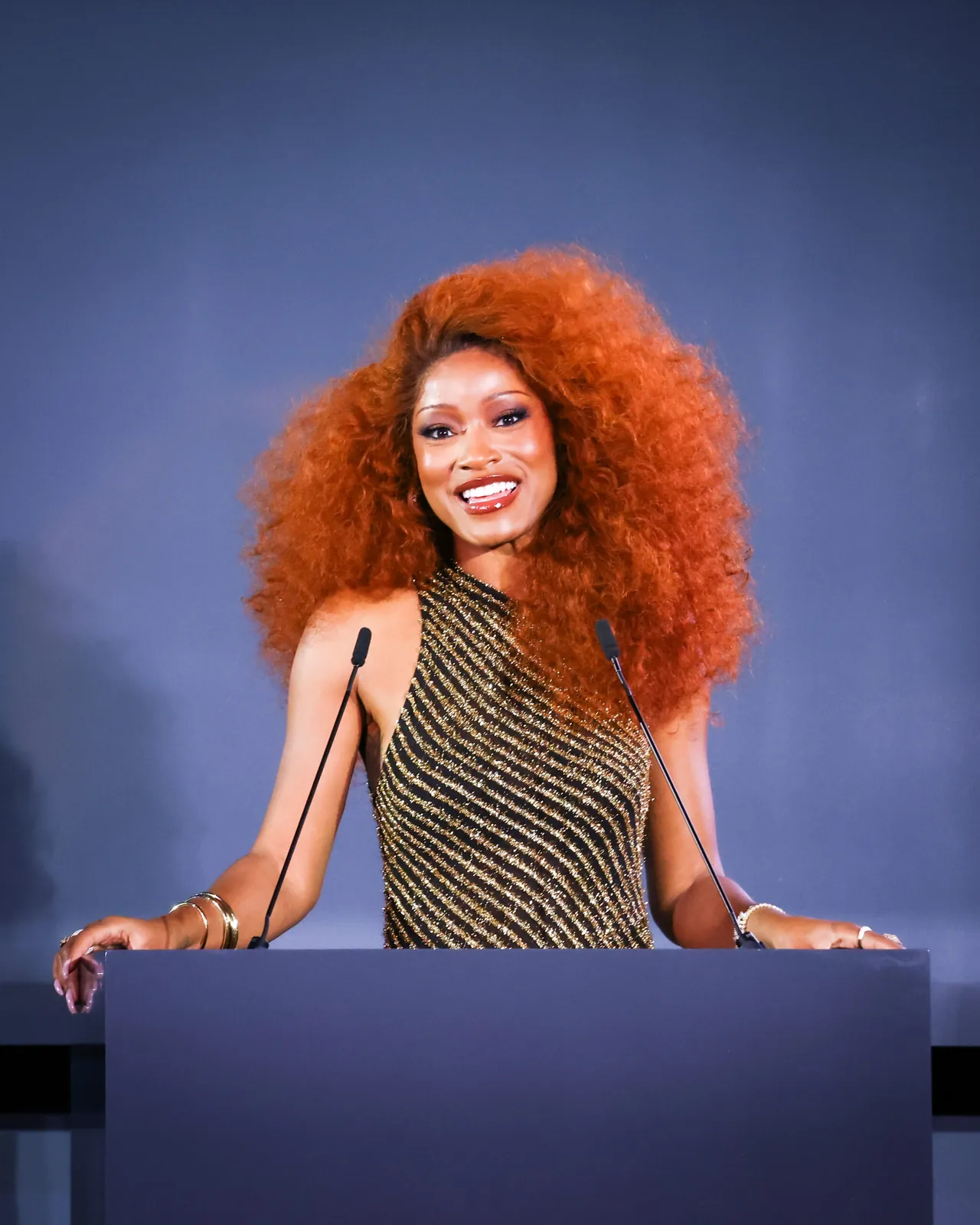
American fashion handed out its annual verdicts on Monday night, November 2, at the American Museum of Natural History in New York. The 2026 CFDA Fashion Awards, presented by Amazon Fashion and hosted by Keke Palmer, named four competitive winners: Rachel Scott for Diotima, Ralph Lauren, Ana Khouri and Colleen Allen. Between them they cover the full span of the business as it now operates, from an independent label held alongside a heritage house job, to the most durable name in American fashion, still collecting the same trophies five decades on.
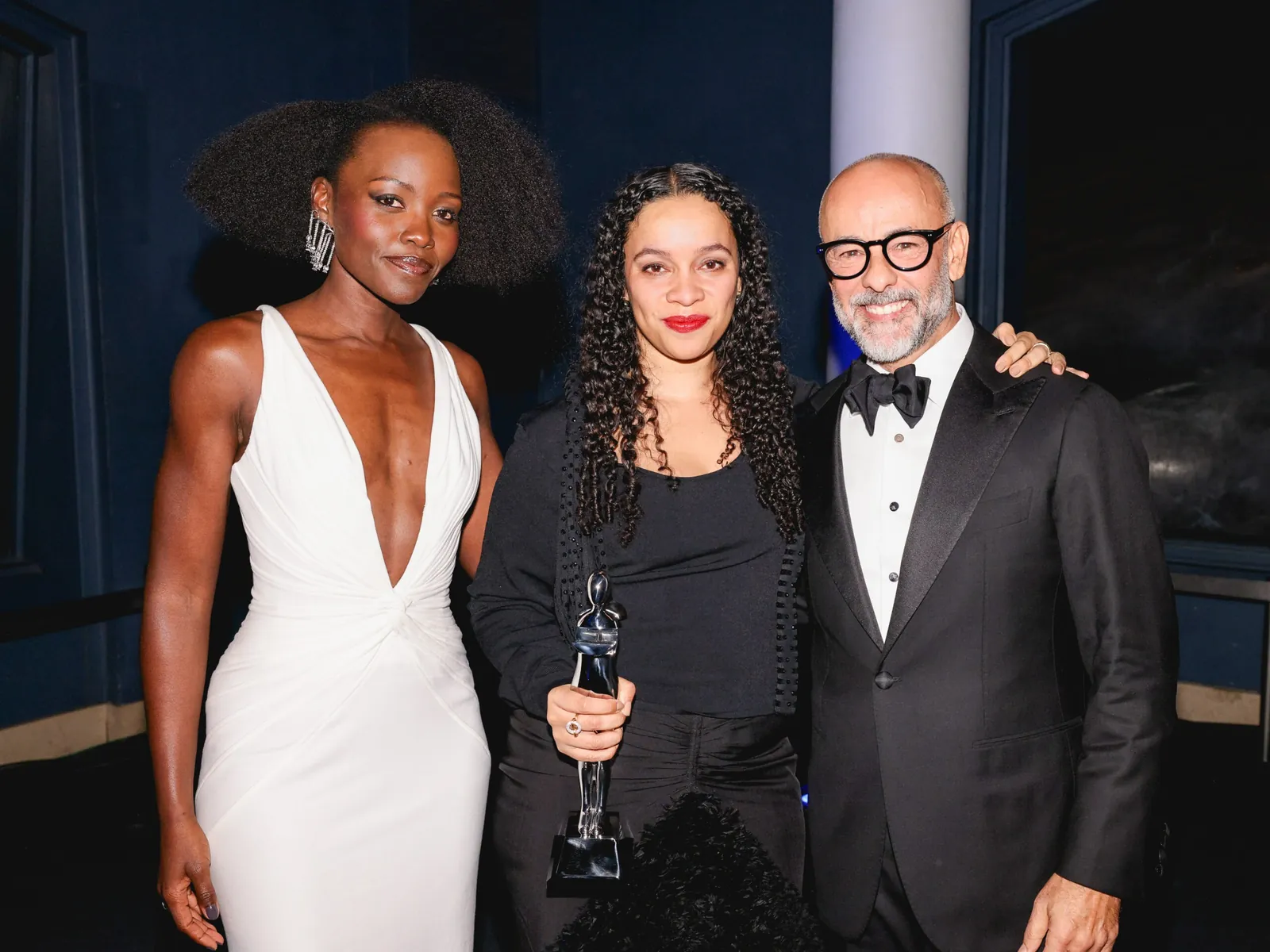
Rachel Scott won American Womenswear Designer of the Year for Diotima, presented by Lupita Nyong'o and Francisco Costa. The CFDA notes that it is her second victory in the category, following her 2024 win, and describes a practice built on a fusion of Jamaican craft traditions, sensuality and sophisticated tailoring. The award lands while Scott also continues as creative director of Proenza Schouler, which makes her the working example of the industry's current favourite arrangement: an independent label as the creative signature, a larger house as the platform. On stage, as the CFDA reported it, she had not prepared a speech. She said: "I feel extremely lucky and extremely responsible." Then she pointed at the following morning: there is a lot of work to do, starting tomorrow.
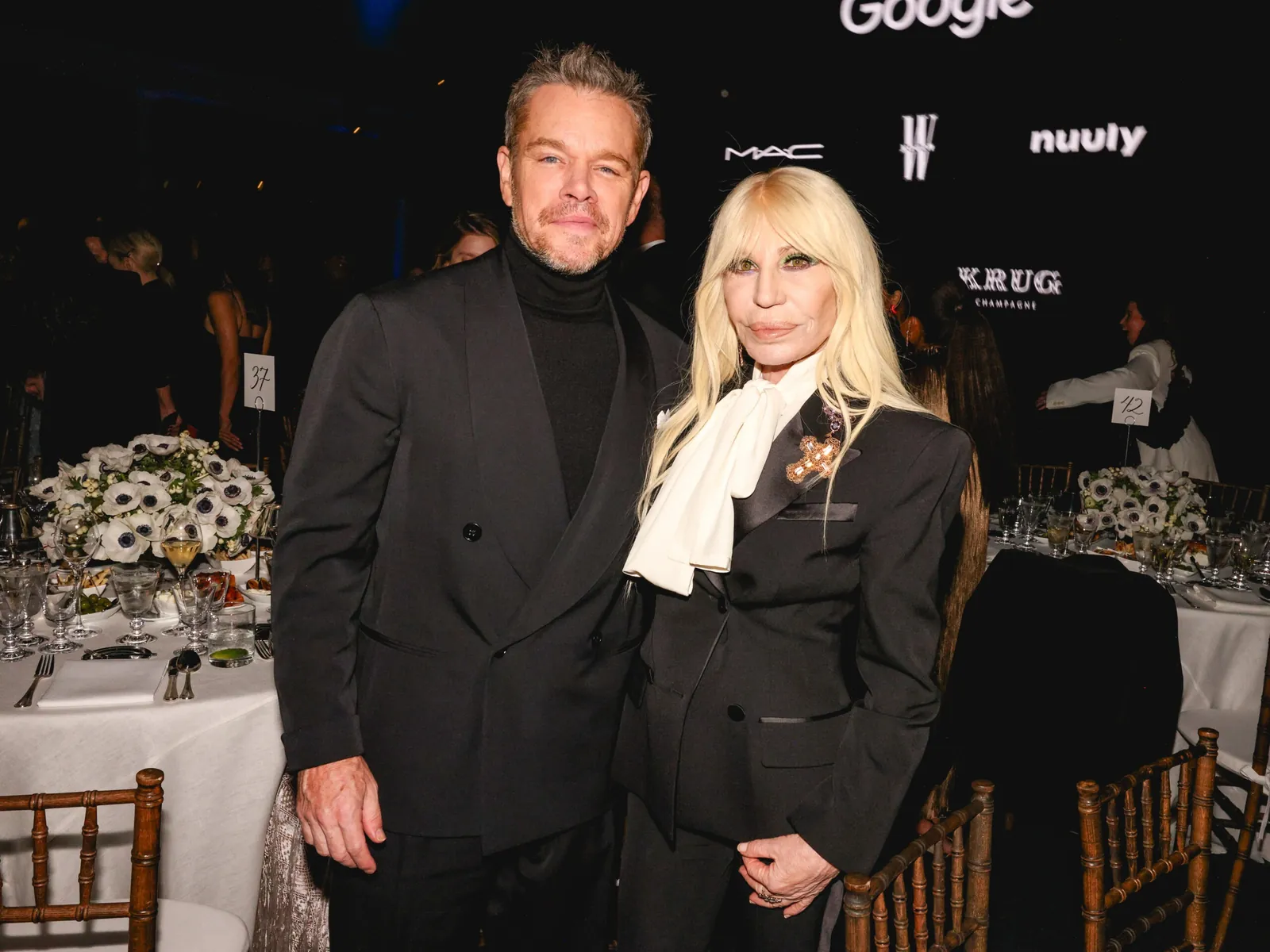
Ralph Lauren was named American Menswear Designer of the Year, presented by Matt Damon and Tremaine Emory, and received a standing ovation. The recognition follows his American Womenswear Designer of the Year win in 2025, a sequence the CFDA reads as underscoring the enduring relevance of his vision and the world he has built over more than five decades. Menswear is the category where American fashion's argument about itself is usually settled, between streetwear's insurgents and the tailoring establishment. This year the room settled it for continuity: the designer who defined the American wardrobe for the late twentieth century was voted its best menswear hand again, by an electorate that includes the generation trying to replace him.
The accessory award went to Ana Khouri, a first win, presented by Naomi Osaka and Joseph Altuzarra. The CFDA describes the New York based jeweller's sculptural creations as blurring the boundaries between fine jewellery and contemporary art, and treats the result as a milestone: a designer who thinks in form first, and whose command of her craft has quietly made her central to the category. Jewellery is the quiet margin engine of luxury, and it is also the category where a single recognisable hand still shows through the product. Khouri's first win in it is the night's clearest promotion from admired to established.
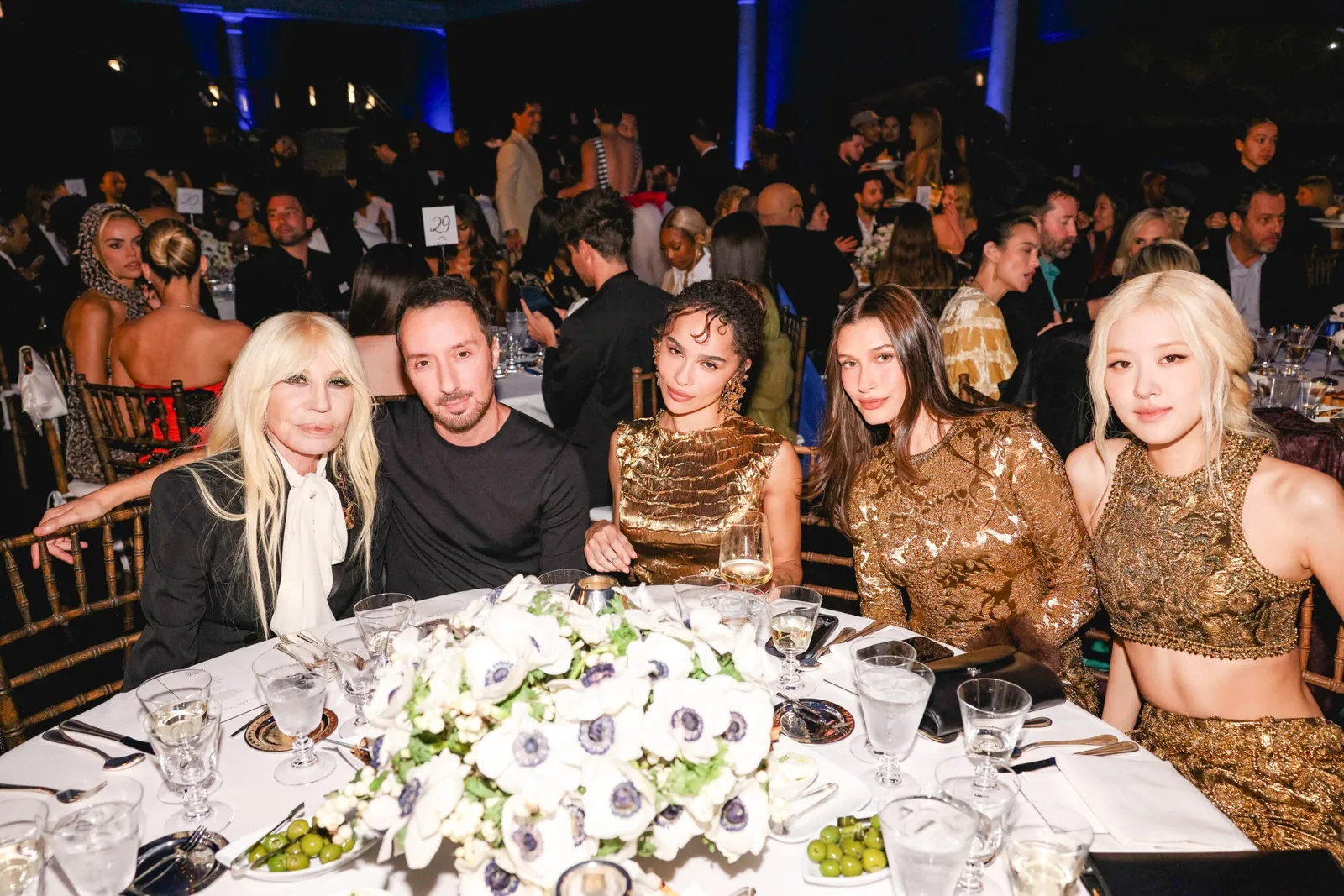
The Google American Emerging Designer of the Year award went to Colleen Allen, presented by Cole Escola and Gabriela Hearst. The CFDA describes the Brooklyn based designer as having quickly gathered attention for imaginative, historically informed designs and a distinctive romantic sensibility, and frames her win as reaffirming the importance of nurturing original voices. Emerging is the only category the industry votes on as a portfolio decision rather than a report card: it is a bet placed in public, with the electorate's credibility attached. Allen now carries that bet into the seasons when bets are called in.
Around the four competitive awards, the honorary list carried its own argument about what the industry currently values. Anthony Vaccarello received the International Designer of the Year award, weeks after his departure from Saint Laurent was announced on October 9, an honour for the body of work he is being recognised for rather than the chair he no longer occupies. Photographers Inez van Lamsweerde and Vinoodh Matadin received the Geoffrey Beene Lifetime Achievement Award. Tory Burch received the Positive Change Award, presented by Anna Wintour. Linda Fargo, Bergdorf Goodman's fashion director, received the Founder's Award in honour of Eleanor Lambert after thirty years at the store. Peter Marino received the Fashion Icon Award, Gap Inc. the Innovation Award presented by Amazon Fashion, Eva Chen the Media Award in honour of Eugenia Sheppard, and Susan Cianciolo the Isabel Toledo Board of Directors' Tribute.
The CFDA's own account of the evening stresses how often the speeches redirected credit: to parents, partners, mentors, collaborators and the people who recognised something early. That is more than good manners at a podium. Fashion is made collectively and credited individually, and the tension between those two facts is where most of its labour disputes, succession fights and authorship arguments live. A night on which the winners kept naming the room was the industry briefly describing itself accurately, and enjoying the description.
Read against the same week in Paris, where Balenciaga changed creative directors in a day, the New York ceremony looks like the opposite instrument pointed at the same problem. Paris repriced its future by changing the name over a door. New York repriced its present by ranking the names it already has: Scott twice crowned and doubling at Proenza Schouler, Lauren beyond succession entirely, Khouri promoted, Allen anointed. Both systems run on the same fuel, the industry's collective opinion of who is good. On Monday night in the museum, that opinion was unusually settled, and the room, for once, agreed with itself.