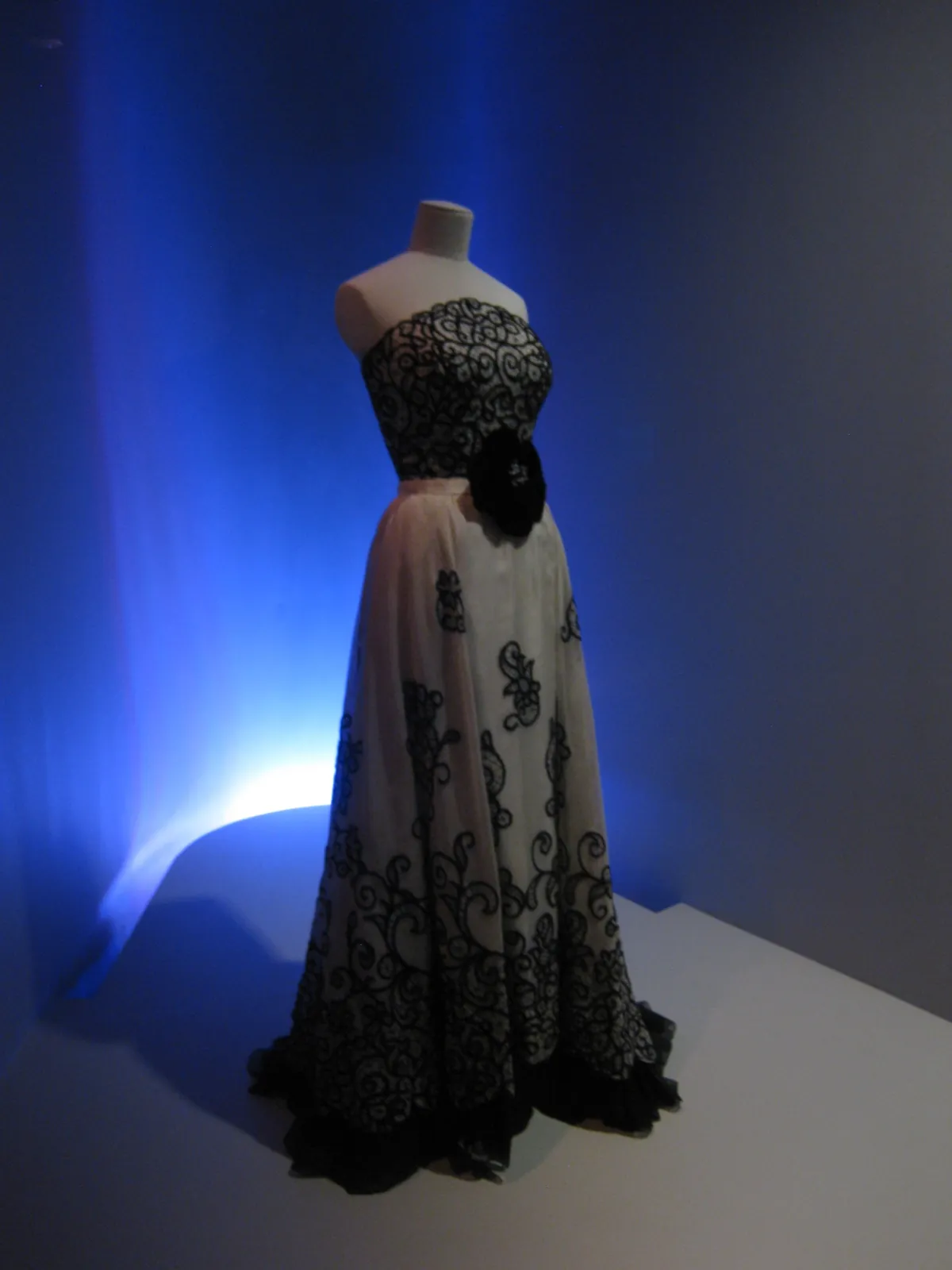
Balenciaga changed creative directors in the space of a single news cycle. On Thursday, November 5, the house announced the departure of Pierpaolo Piccioli. On Friday, November 6, Kering announced his successor: Martine Rose, who takes up the role on November 16, based in Paris. There was no interregnum, no caretaker, and no season left hanging. One announcement closed a tenure that began in the summer of 2025; the next opened a chapter the group had plainly prepared in advance.
The farewell was courteous and specific. Gianfranco Gianangeli, Balenciaga's president and chief executive, thanked Piccioli for a vision that, in his words, reaffirmed the couture origins of the house, and praised his attention to craftsmanship and construction. Kering chief executive Luca de Meo called Piccioli an exceptional couturier and said the group's ambition is to build on the house's avant garde spirit and keep pushing its creative boundaries. Piccioli had been appointed in May 2025 and took up the role that July, succeeding Demna. The house he leaves carries women's and men's ready-to-wear and couture, plus accessories, fragrance and objets d'art, and the release announcing his exit promised that the new creative direction would be announced shortly. Shortly turned out to mean the following morning.
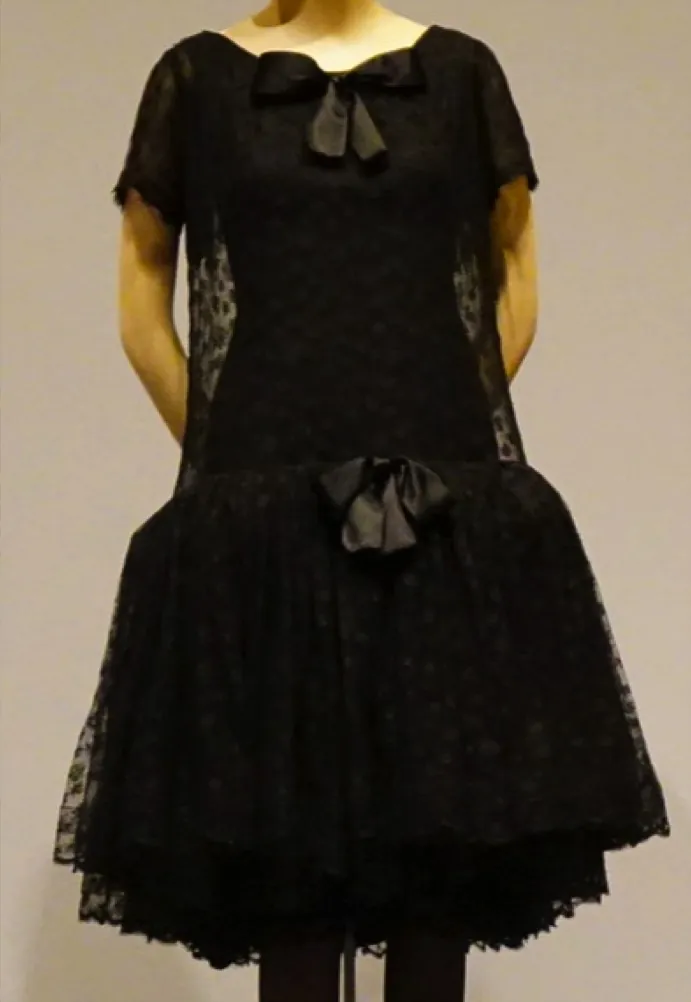
Rose arrives with the group's language already fitted to her. She said: "It is a true privilege to be appointed Creative Director of Balenciaga, a House with an extraordinary heritage and a fearless creative spirit." De Meo described a house of radical creativity and said Rose embodies that spirit with a fresh, fearless and deeply contemporary vision, citing how naturally she reads contemporary culture and the younger generation now setting its terms. Gianangeli called her an extraordinary creative talent with a bold and highly distinctive vision, able to challenge conventions and reinvent silhouettes. The words are the standard currency of these announcements, but the biography underneath them is not standard at all, and it is the biography that will do the work.
Rose founded her eponymous label in London in 2007. Kering's own account of her work describes clothes built out of street culture and music, out of identity and the signals people send through what they wear, and a method of taking the most familiar garments and reworking them until they read differently. Her stated territory is proportion, silhouette and fabrication, worked through questions of gender, character and identity, and her label grew out of London's artistic landscape and the communities that cross inside it. For two decades that work sat in a singular position, as the group puts it, between underground culture and the international fashion establishment. Balenciaga has now moved the underground side of that equation into the creative director's office of a Paris couture house.
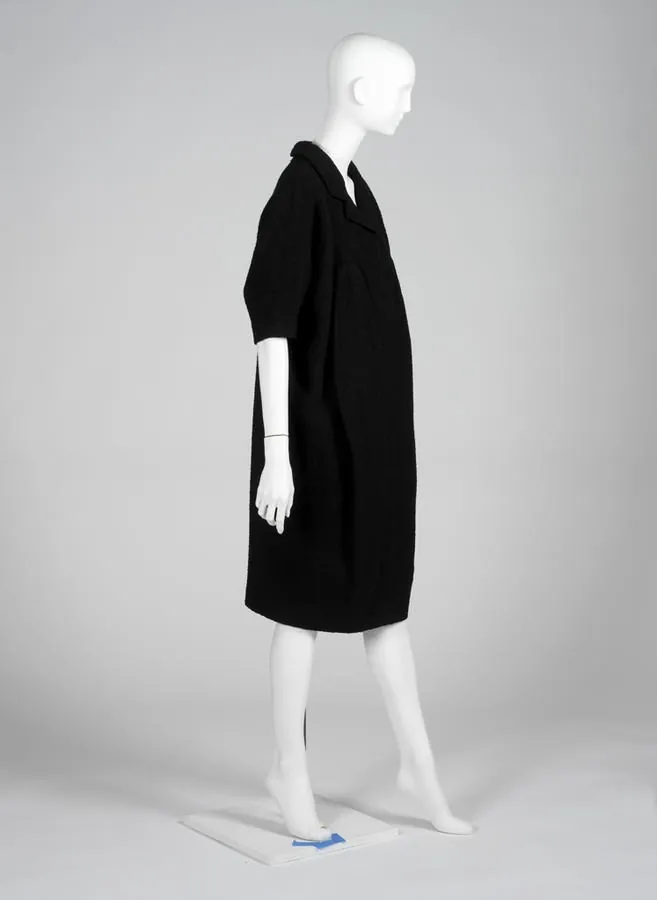
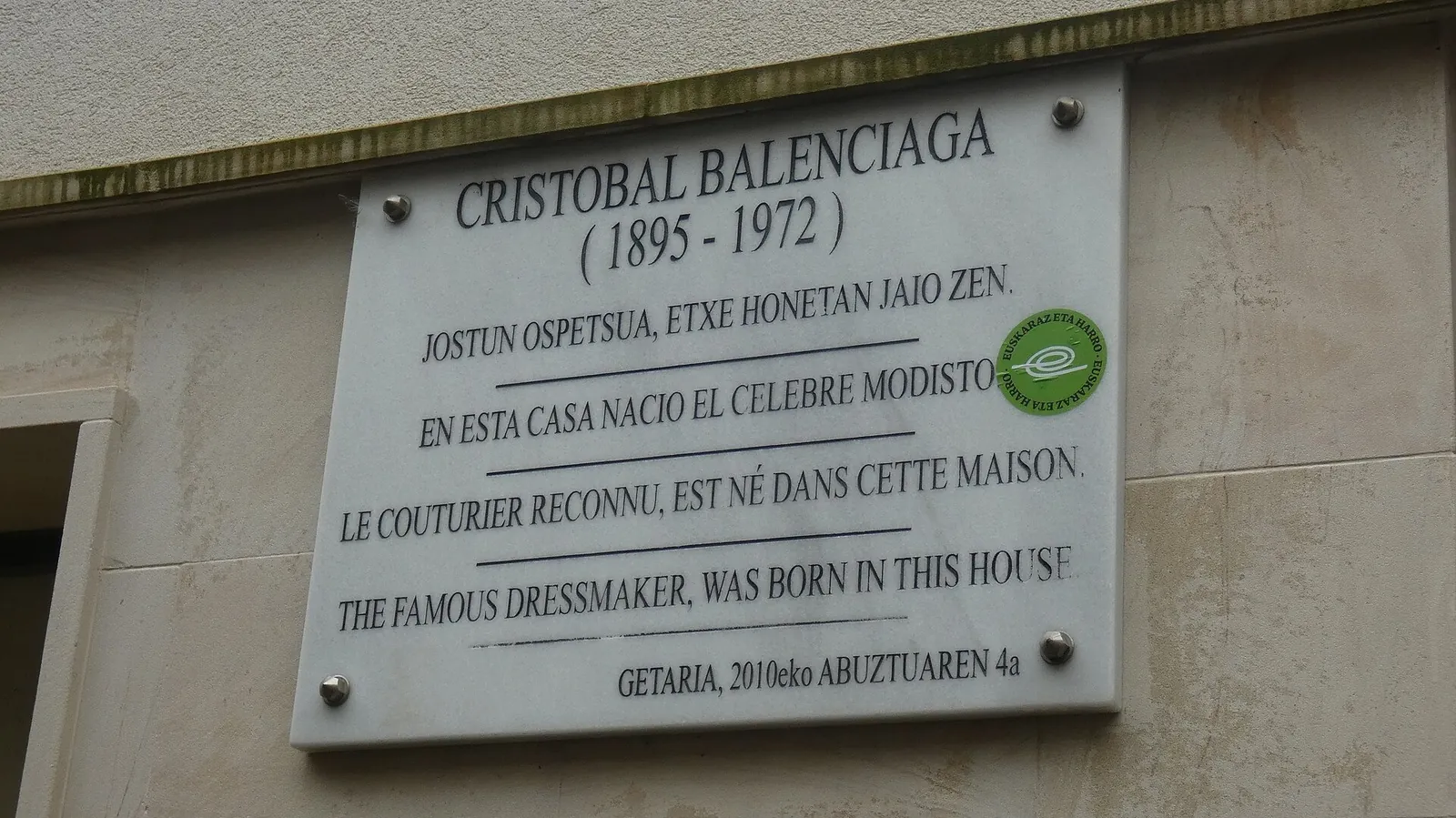
The appointment is a return as much as an arrival. Rose worked as a consultant on Balenciaga menswear during Demna's early tenure at the house, from 2015, helping to shape the oversized codes that defined that era before building her own name further. She also becomes the first woman to lead Balenciaga creatively in the 109 years since Cristobal Balenciaga founded the house in San Sebastian in 1917; it was established in Paris twenty years later, in 1937. The founder's name is the house's founding argument about form and technique, and every successor is measured against it. Rose is the first successor for whom that measurement also changes who the job is understood to belong to.
For this publication, the most telling passage in Kering's announcement is not about clothes. The group notes that Rose's shows have always carried her thinking in their staging: the rooms she picks, the models she casts, and a wide idea of beauty that runs through both. A creative director decides, in the end, three things that reach the public: what the clothes look like, where they are shown, and who wears them on the runway. Casting is the third of those levers, and it is the one Rose has been pulling in public for years, in community halls and school spaces in London as readily as in conventional venues. Who walks for Balenciaga from her first show onward will be read, correctly, as a statement of the house's new position.
The speed of the handover also belongs to a wider pattern at Kering this autumn. Piccioli is the third creative director to leave a Kering house in a month: Anthony Vaccarello left Saint Laurent on October 9, and Sean McGirr left Alexander McQueen on October 15, moves this publication covered as they landed. Neither of those houses had named a successor when Rose's appointment was announced on Friday. Balenciaga, alone among the three, was given no vacancy at all, which suggests the group understood exactly where an empty chair would hurt most: at the house whose identity has been rebuilt twice in a decade and could not afford a season of speculation.
What happens next is deliberately unspecified. Kering's announcement gives no date for Rose's first Balenciaga collection, and the house's calendar will supply the obvious candidates soon enough. Until then, the facts are the shape of the job itself: a Paris based creative director, in post from November 16, responsible for the whole of a house founded on form, hired from the London underground she never left, and returning to a building where she once consulted on the menswear rail. The industry will spend the winter guessing at her first show. The casting, when it comes, will tell the story earlier than the clothes do.