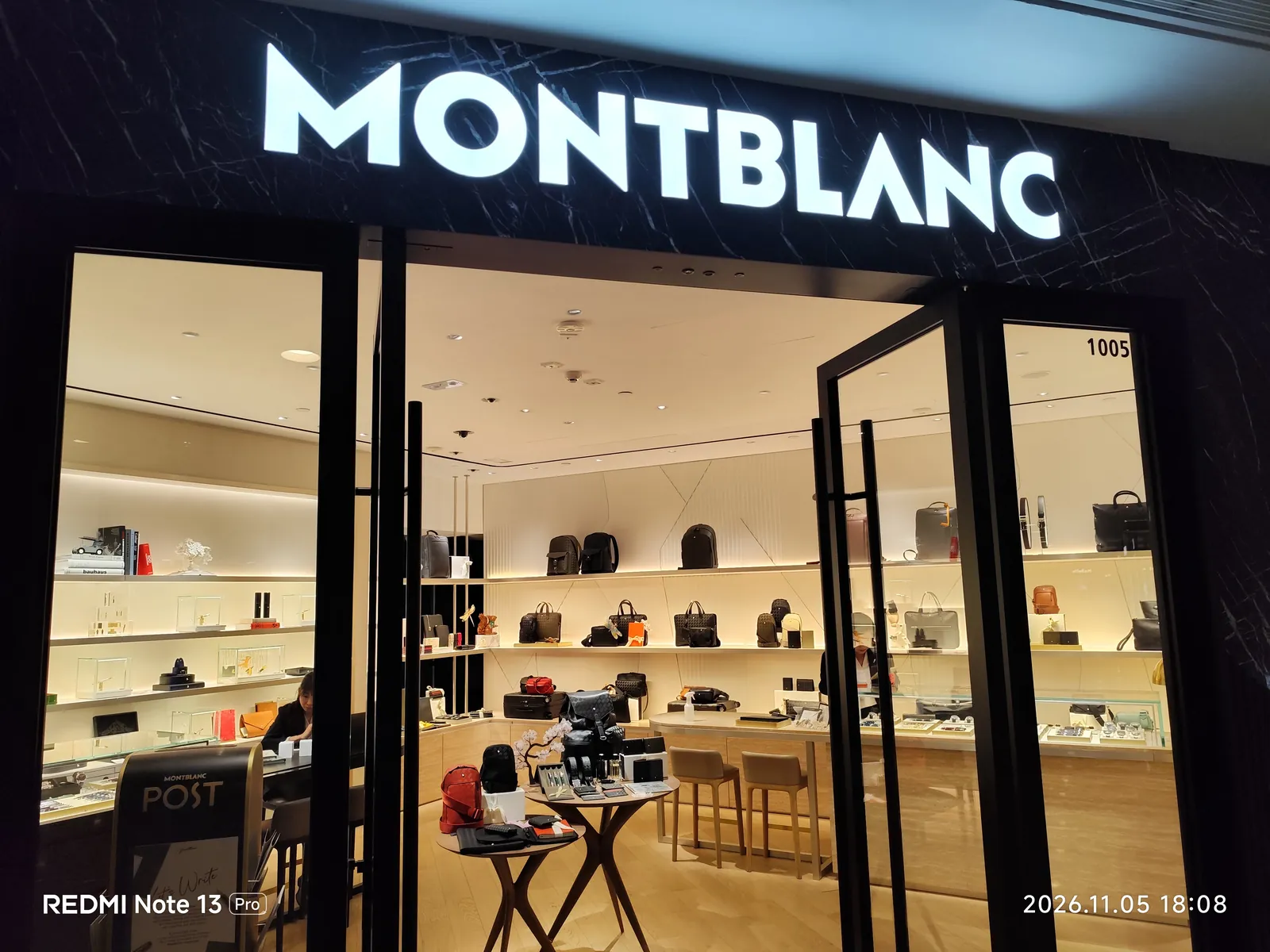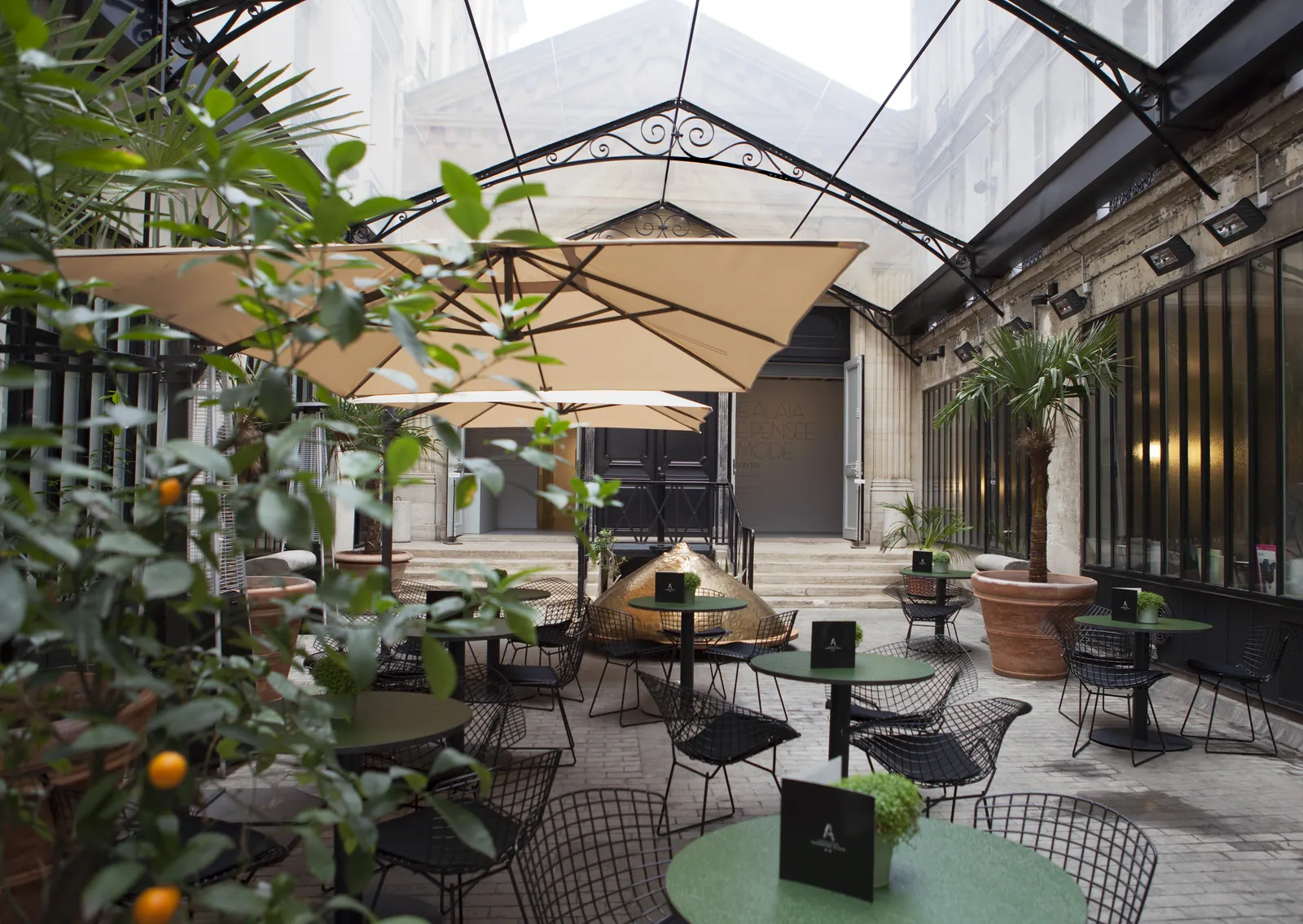
Richemont reported its half-year results on Friday, November 13, and buried inside a jewellery-led set of numbers is the fashion story: the group's Fashion and Accessories Maisons grew inside the business area Richemont simply calls Other. Sales in that area rose by 9 percent at both actual and constant exchange rates in the six months to September 30, 2026. The chairman's commentary attributes the momentum to double-digit growth in ready-to-wear, driven primarily by double-digit growth at Alaïa and Peter Millar, with improved momentum at Montblanc.
The context is a group having an exceptional half. Richemont's sales reached 12,282 million euros, up 16 percent at actual exchange rates and 17 percent at constant rates. Operating profit rose 33 percent to 3,129 million euros, a margin of 25.5 percent. Profit for the period rose 39 percent to 2,528 million euros. The group ended September with net cash of 7,729 million euros. Against numbers of that scale, the fashion area is small, and Richemont does not pretend otherwise: the same commentary records that Other, taken as a whole, recorded a 12 million euro operating loss in the half, broadly stable against the prior year once one-time items are set aside, with modest improvement in the Fashion and Accessories result itself.
The engine of the half was jewellery, and the fashion reader should know the proportion. The Jewellery Maisons, Buccellati, Cartier, Van Cleef & Arpels and Vhernier, grew sales by 19 percent at constant exchange rates and delivered a 3.2 billion euro operating result at a margin of 35.3 percent. The Specialist Watchmakers grew sales by 10 percent at constant rates to 1.7 billion euros. Fashion at Richemont does not carry the group. It is carried by it, funded by margins earned in high jewellery, and judged by a different standard: whether the maisons are gaining cultural and commercial ground without damaging the group's discipline.
That is what makes the Alaïa line in the commentary worth reading twice. Richemont names very few individual maisons in its half-year narrative. For a fashion maison to be singled out as a primary driver of growth, in a release dominated by Cartier scale numbers, is the group's way of telling the market which of its fashion bets is working. Ready-to-wear growing at double digits across the Fashion and Accessories portfolio, with Alaïa in front, says the demand is in clothing, not only in the leather goods and accessories that usually carry fashion maisons inside luxury groups.
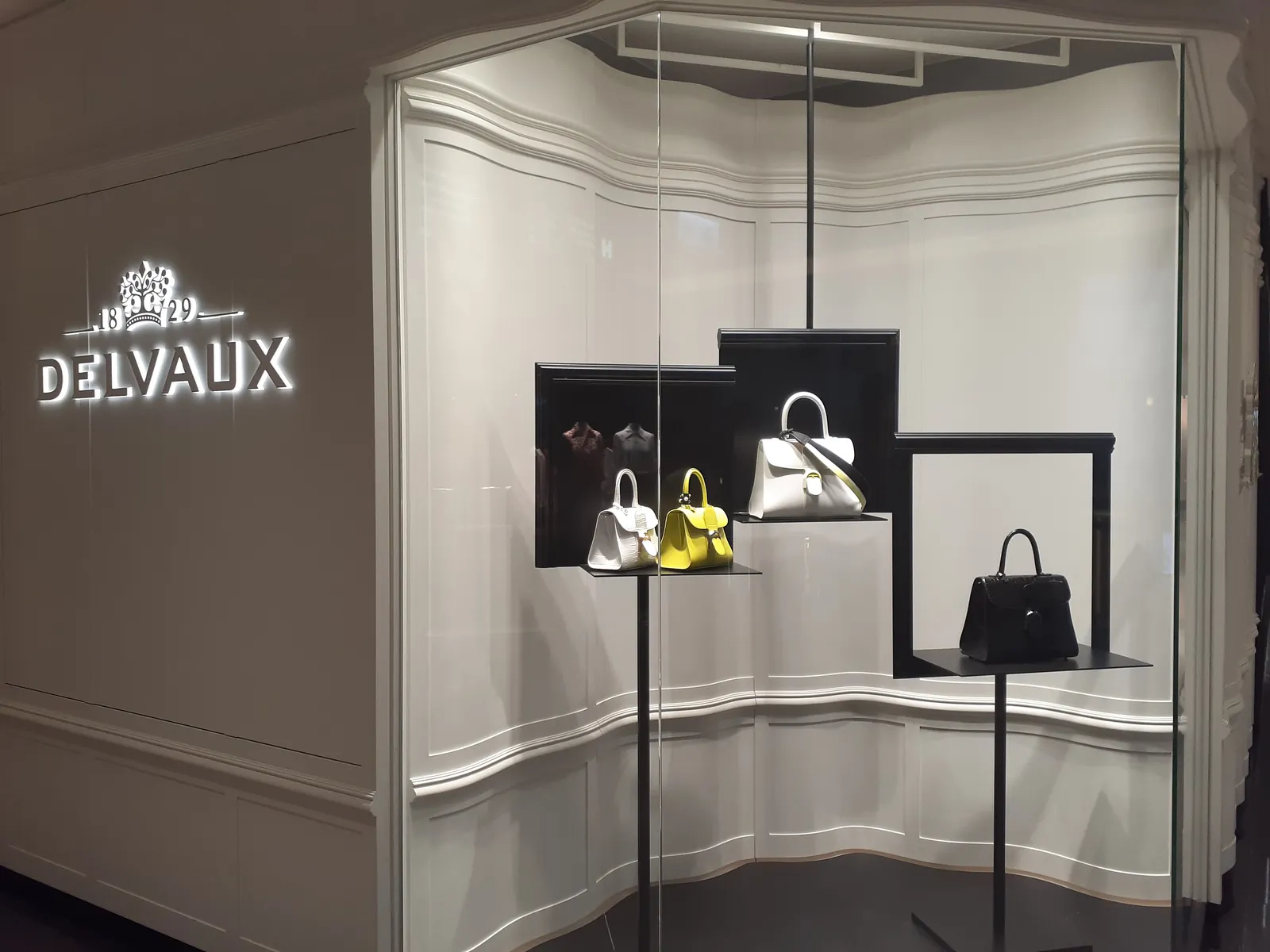
The portfolio named in the release is the full Richemont fashion bench: Alaïa, Chloé, Delvaux, dunhill, G/FORE, Gianvito Rossi, Montblanc, Peter Millar, Purdey and Serapian, alongside the retail platforms TimeVallée and Watchfinder. It is an odd, deliberate collection: Paris couture heritage at Alaïa, a major ready-to-wear name at Chloé, Belgian leather at Delvaux, British tailoring at dunhill, American golf and menswear at Peter Millar. There is no single fashion strategy that explains that list, and the results suggest Richemont is not imposing one. Each maison is being run on its own logic, and the group's contribution is patience and capital.
Two cautions belong in any honest reading. First, the group's operating profit includes 229 million euros of positive tariff-related one-time items; excluding them, operating profit was 2.9 billion euros and the margin 23.6 percent, still up on the year, but the headline flatters the underlying rate. Second, the chairman, Johann Rupert, warned in the same release that the macroeconomic and geopolitical environment will remain volatile for the foreseeable future, and that the Middle East and Africa region declined by 2 percent as tourist spending was hit by conflict. Fashion's 9 percent was earned inside that weather, not outside it.
For the fashion trade, the lesson of the Richemont half is about ownership models. While rival groups reorganise creative leadership season by season, Richemont's fashion maisons have been left to compound quietly under group ownership, with their results reported twice a year in aggregate and their names mentioned only when they earn it. Alaïa earned it this half. The next test is whether Chloé, the portfolio's largest ready-to-wear name, is named next time, and whether the Fashion and Accessories result can move from broadly stable to profitable. On November 13, Richemont could show growth. Profit, for its fashion division, is still the unfinished sentence.